Glamping in Cameron Highlands sounds like a dream: waking up above the clouds, surrounded by tea plantations and cool mountain air. But many travelers hesitate, worried that the rain never stops, the nights are freezing, and that picking the wrong month will ruin the whole trip. Those concerns are real, but they are manageable with the right planning.
This guide walks you through what makes the highlands feel so different from lowland Malaysia, which months offer the driest windows, and whether a canvas tent, dome or cabin suits your travel dates. We will also compare the main bases of Tanah Rata and Brinchang, explain how far ahead to book and how to get there from Kuala Lumpur, and cover exactly what to pack for cool, damp evenings. By the end, you will know how to plan a highland glamping trip around the weather instead of against it.
Why Glamping in Cameron Highlands Feels Different from Lowland Malaysia
The first thing to understand about glamping in Cameron highlands is that you are not sleeping in tropical lowland heat. The plateau sits at an elevation of roughly 1,200-1,500 meters, which transforms the climate entirely. Daytime temperatures hover between 18-25°C year-round, and after sunset they regularly drop to 10-15°C, occasionally dipping near 8°C in the coldest months. For travelers used to Kuala Lumpur’s humidity, stepping out of the car feels like arriving in a different season altogether. You will genuinely want a jacket in the evening, even in the middle of what locals call summer.
Mist, dew and damp canvas
The flip side of that mountain air is moisture. Mist rolls through the valleys on many mornings, and dew settles heavily on grass and canvas alike. Even during the drier stretch of the year, tents and gear tend to stay slightly damp, and clothes left outside overnight will feel clammy by breakfast. This is normal highland behavior, not a sign of a poorly run site, so pack with it in mind.
Afternoon showers are also the norm here rather than the exception. Rain typically arrives as short, heavy bursts rather than all-day drizzle, which means your glamping experience will center on cozy interiors, hot drinks and covered decks while the shower passes. Choose a site with a generous veranda and you may find that watching the mist drift across the tea fields from under a roof becomes the highlight of the trip, not a disappointment.
Best Months for Glamping in Cameron Highlands
Timing matters more in the Cameron Highlands than in most Malaysian destinations, because the highlands have genuine wet and dry patterns. The driest and most reliable windows for tent-based stays run from January to March and again from June to August. During these months, afternoon showers still happen, but they are shorter and less frequent, and mornings are far more likely to be clear enough for tea plantation views. If your heart is set on a classic canvas safari tent, aim for one of these two windows.
October to December brings the heaviest rainfall of the year. Canvas in prolonged downpours is a different experience from canvas in a brief shower: grounds soften, gear stays wet for days, and the romance fades quickly. If your travel dates fall in this stretch, a geodesic dome or hard-roof cabin is the smarter choice.
- April and May sit between the dry and wet extremes, with landscapes at their greenest after the rains and noticeably fewer crowds at trailheads and tea estates.
- Shoulder-month travelers should still expect regular afternoon showers, so plan hikes and sightseeing for mornings and keep afternoons flexible.
- Whatever month you choose, remember that rain falls on many afternoons year-round in the highlands, so no window is entirely shower-free.
A practical approach is to match your accommodation style to the season rather than fighting the weather. Book canvas for the dry windows, and let the wetter months point you toward structures with solid roofs.
Choosing Between Tent, Dome and Cabin Stays
Once you know your travel window, the next decision is what kind of structure you will sleep in. The three main options on offer around the highlands behave very differently in the weather, and they sit at different price points.
Canvas safari tents
Classic canvas safari tents are the most atmospheric choice, and they suit the dry January-March and June-August windows best. For two people, expect rates usually in the range of RM250-450 per night. In dry months, canvas is a pleasure: you hear the wind in the trees, the mornings smell of dew and eucalyptus, and the whole experience feels properly outdoorsy. In a sustained downpour, however, canvas can leak at seams, feel clammy and take days to dry out.
Domes and cabins
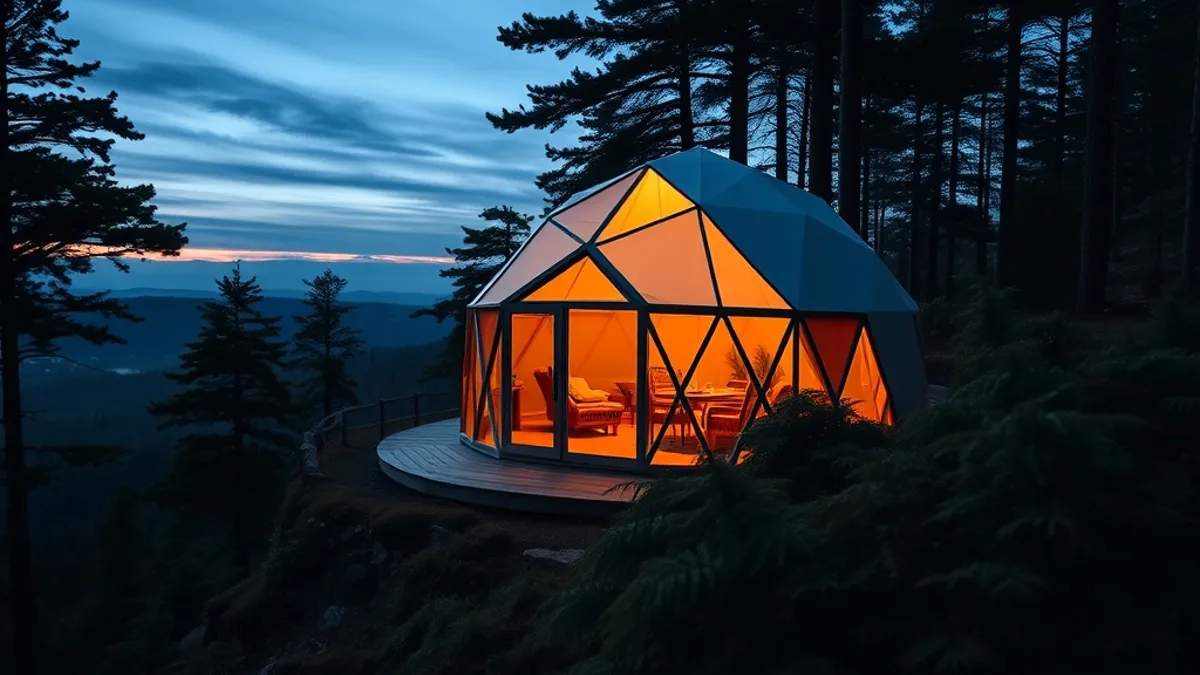
Geodesic domes and hard-roof cabins handle wet-season downpours far better, keeping you dry and comfortable even when rain hammers the roof for hours. That reliability costs a bit more, with rates typically running RM350-600 per night for two. Domes still feel close to nature thanks to their curved windows, while cabins offer the most insulation against the cold.
Whichever style you choose, scrutinize the site details before booking. Prioritize places with covered verandas, because you will spend real time there during afternoon showers. An en-suite bathroom saves you from walking across wet grass at night, and heating or even simple hot-water bottles make a genuine difference when temperatures drop to 10-15°C after dark. Sites that mention these details in their listings tend to understand highland conditions; those that do not may be run by operators more used to lowland climates.
Where to Base Yourself: Tanah Rata, Brinchang and the Plantation Edges
Picking the right base in Cameron Highlands shapes your whole glamping trip, because the three main areas feel noticeably different once the afternoon mist rolls in. Tanah Rata works best for travelers who want everything within walking distance, Brinchang suits those chasing the coolest, foggiest highland atmosphere, and the plantation edges deliver the postcard views at the cost of a little daily logistics.
Tanah Rata is the main hub of the highlands, and most first-time visitors will feel instantly comfortable here. Restaurants cluster within a few streets of each other, the bus terminal connects you back to Kuala Lumpur and other cities, and several of the classic jungle trailheads start practically from the town’s edge. If you are arriving without your own car, this is the most practical base.
Brinchang sits higher up the mountain, a short drive from Tanah Rata, and the difference is easy to feel. Evenings are cooler, mist settles in more often, and you are closer to the Mossy Forest and the popular night market. If your idea of glamping involves wrapping up in a blanket while fog drifts past your deck, Brinchang delivers that atmosphere more reliably than anywhere else.
The plantation-edge sites scattered along the tea estates offer the classic rolling-green scenery that draws most people here in the first place. Waking up to rows of tea stretching to the horizon is genuinely special, but keep in mind these sites usually mean a 10-20 minute drive to town for meals, so plan dinners and supplies accordingly.
- Tanah Rata for trail lovers: jungle trails such as the paths leading toward Gunung Berembun start close to town, so you can be on a forest walk within minutes of leaving your tent.
- Brinchang for food after dark: the night market here is the highlands’ best spot for street food and local produce, an easy stroll from many accommodations.
- Plantation edges for sunrise: tea estate views are at their most photogenic in the early morning light, and staying on-site means you catch it before the day-trippers arrive.
- Consider a hybrid plan: some travelers base themselves in Tanah Rata for the first night, then move to a plantation-edge site once they have stocked up on supplies and oriented themselves.
Booking Windows and Getting There
Good timing makes a Cameron Highlands glamping trip far smoother, both in terms of securing the site you want and making the journey up the mountain pleasant. The highlands are compact but not effortless to reach, and the best-known glamping properties fill up well before school holidays hit. A little forward planning also helps you match your booking style to the season, since a canvas tent in a wet month feels very different from the same tent in the driest stretch of the year. Here is how to plan it step by step.
- Check the school-holiday calendar first. March, August and December coincide with Malaysian school breaks, and glamping sites are at their busiest then. If your dates fall in these windows, treat them as peak season regardless of the weather.
- Reserve 4-8 weeks ahead for regular weekends. For ordinary Friday and Saturday nights outside holiday periods, booking a month or two in advance is usually enough to get your preferred tent or dome.
- Book 2-3 months ahead for holiday periods. The March, August and December school holidays sell out earliest, so lock in your dates as soon as you know them.
- Decide how you will travel. The drive from Kuala Lumpur covers about 200 km and takes roughly 3.5-4.5 hours, with the final stretch winding steeply through highland roads. Self-driving gives you the most freedom, especially for reaching plantation-edge sites.
- Consider the bus if you prefer not to drive. Buses and shuttles from Kuala Lumpur serve Tanah Rata directly, and from the bus terminal you can arrange local transport or taxis to your glamping site.
Whichever way you travel, build some buffer into your schedule. The climb out of the lowlands involves long stretches of bends where traffic, fog and afternoon showers can all slow you down, so a journey that looks simple on the map rarely runs to the minute. Leaving the lowlands in the morning gives you a comfortable margin and lets you stop at viewpoints or tea estates along the way without watching the clock. Arriving before dark matters more than you might expect: most glamping sites sit along quiet plantation and forest edges with limited lighting, so finding your tent, unpacking and settling in are far easier in daylight. It also means you can enjoy dinner on site or head into Tanah Rata or Brinchang for a meal, then return for that first crisp highland evening with a hot drink instead of fumbling along unlit plantation roads at night.
Packing for Cool Nights and Damp Mornings
Packing for the Cameron Highlands catches many first-time visitors off guard. This is tropical Malaysia, yet nights here regularly drop to 10-15°C, and mornings arrive damp with dew and mist regardless of the season. The trick is packing for two climates at once: mild t-shirt afternoons and genuinely chilly evenings, with rain almost certainly making an appearance at some point.
Start with your evening layers, because this is where most people under-pack. A fleece or light down jacket is not optional if you plan to sit outside after sunset, and warm sleepwear matters even in the middle of the year. Days in the 18-25°C range feel pleasant, but the temperature swing between afternoon and midnight is larger than anywhere else in peninsular Malaysia.
Rain gear comes next. Afternoon showers are part of the rhythm here, and grass around tents stays dewy well into the morning. Quick-dry clothing, a packable rain shell and waterproof footwear will keep you comfortable and stop your bag from filling with damp clothes by day three. There is a certain pleasure in this kind of cool, misty travel that echoes the feeling of a morning in the slow French countryside, where lavender air and quiet mornings set the pace, provided you are dressed for it.
A few small items earn their place many times over during a highland stay:
- A thermos or insulated flask: hot tea or coffee on your covered deck during a misty morning is one of the great pleasures of glamping here, and sites do not always have 24-hour hot drinks on tap.
- Moisture-absorbing pouches or silica gel: cameras, phones and power banks suffer in the constant damp, so tuck a few into your camera bag and luggage.
- A small torch or headlamp: paths between tents and common areas are often unlit, and walking them in the dark after dinner is a regular occurrence.
- Wool socks and a beanie: rarely mentioned, but the items travelers most often wish they had brought once the temperature dips toward the lower single digits on the coldest nights.
Wrapping Up Your Cameron Highlands Glamping Plan
Glamping in the Cameron Highlands is absolutely worth planning around the weather rather than hoping for the best. If sleeping under canvas appeals to you, aim for the January-March or June-August dry windows, when afternoons are less likely to be washed out and your tent stays drier. For an October-December trip, match your stay to the season and pick one of the solid-roofed or dome-style structures instead, so heavy downpours become atmosphere rather than a problem.
Once the season is settled, book 4-8 weeks ahead for regular weekends, and give yourself a longer lead time if you’re traveling during a school-holiday stretch. Do that, and the mist and morning dew become part of the charm rather than a setback. Have you glamped in the highlands, or are you planning a trip? Share your experience or questions in the comments below.