A heritage hotel stay promises something a chain property never can: sleeping inside history, with creaking floorboards, carved stonework and stories in every corridor. But behind the period furniture and atmospheric courtyards, there are practical tradeoffs many travelers only discover after check-in — smaller rooms, thin walls, missing elevators and quirks that a glossy photo gallery conveniently crops out.
This guide walks you through both sides of the deal. We’ll look at what actually defines a heritage hotel, the character you’re paying for, and the comfort compromises that come with protected old buildings. You’ll also learn how to read reviews with a sharper eye, when to book for the best rates, who these properties suit best, and how to weigh character against convenience before you commit. No property is perfect, but with the right expectations, a heritage hotel stay can be the most memorable room of your trip.
What Defines a Heritage Hotel Stay
A heritage hotel is more than an old building with a reception desk. These properties typically occupy structures at least 50-100 years old, and many carry official heritage or landmark protection, which means the facade, structure and often interior features are legally safeguarded. That protection is exactly why you’ll find original stonework, timber beams and hand-laid tile floors still doing their job decades or centuries after they were installed.
The defining principle is preservation rather than modernization. Where a new hotel would rip out a warped staircase or a frescoed ceiling, a heritage property restores and works around it. Architects and owners treat original materials and period details as assets, so you’ll often see modern systems — wiring, plumbing, climate control — threaded discreetly through a building that otherwise looks much as it did generations ago.
What these buildings used to be
Many heritage hotels were never designed for hospitality at all. A surprising number occupy former mansions, monasteries, caravanserais or colonial-era townhouses that were converted for guests. That history shapes everything from the room layout to the grand entrance hall, and it’s the first clue about what kind of stay you’re signing up for.
The Character You Pay For
The biggest reason travelers choose heritage properties is the rooms themselves. Because the building wasn’t designed as a hotel, no two rooms are identical — each has its own layout, dimensions and personality. You might sleep under a vaulted stone ceiling one night and beside a carved wooden wardrobe the next. Antique furnishings, original stonework and hand-painted tilework give every room a texture that mass-produced hotel furniture simply cannot match.
The communal spaces are often the real showstoppers. Modern hotels rarely replicate the atmosphere of a heritage building’s shared areas, and this is where properties put much of their restoration budget. If you want to see how charming these spaces can be in practice, this piece on Porto inns full of tilework, river light and easy charm captures it beautifully.
- Courtyards and gardens: Interior courtyards often date to the building’s original purpose, with fountains, citrus trees or cloister walkways that become your morning coffee spot.
- Libraries and reading rooms: Many heritage hotels maintain libraries stocked with books about the building and the city, sometimes in rooms with original fireplaces and paneling.
- Salons and drawing rooms: Former mansions and townhouses often retain grand salons with period chandeliers and plasterwork, used for afternoon tea or evening drinks.
Finally, there’s the storytelling. The building itself becomes part of your trip — you’re not just visiting a city, you’re sleeping inside a piece of its history, and that sense of place lingers long after checkout.
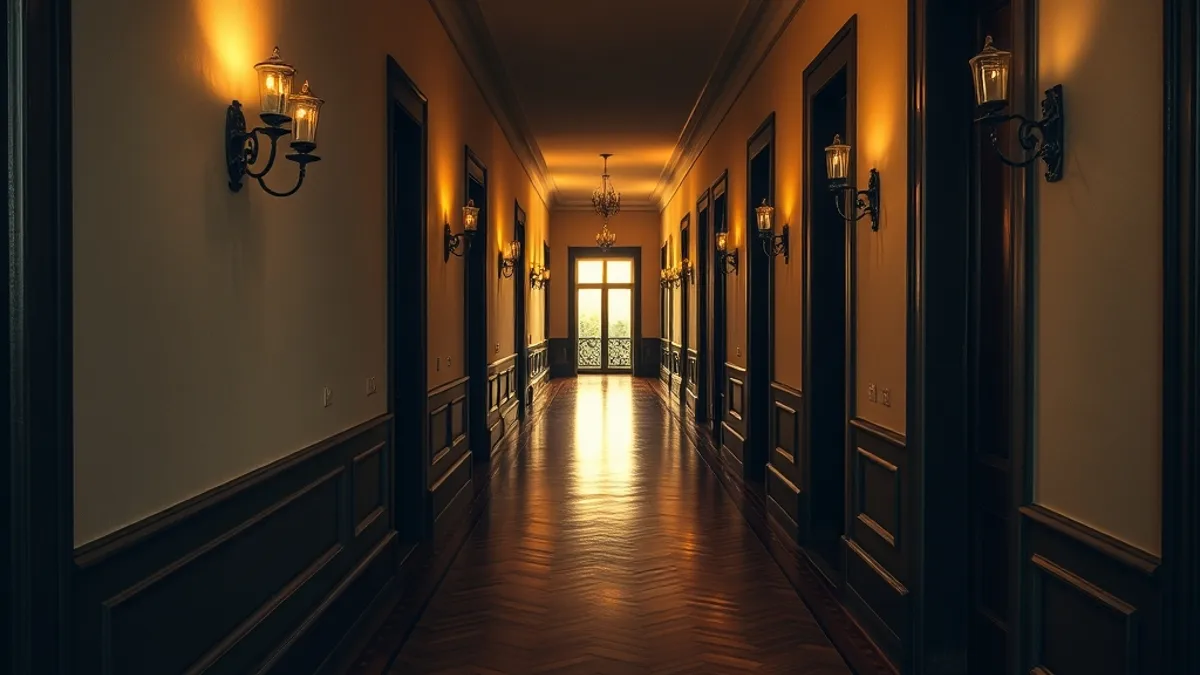
The Tradeoffs: Comfort and Practicality
Now for the honest part. The same protected walls and original features that create character also create compromises, and room size is usually the first one travelers notice. Heritage hotel rooms often run 20-40% smaller than the modern hotel average of 30 sqm, and layouts are irregular — a room might be long and narrow, or shaped around a structural wall that can’t be moved. Furniture placement can feel improvised because it usually is.
Sound is the second common complaint. Converted heritage buildings often have weaker sound insulation because protected original walls and floors limit what soundproofing upgrades are legally and structurally possible. That creaking wooden floor above you is authentic — and audible. Elevators are another frequent gap: many older buildings only retrofitted lifts after 1970, and some pre-war properties still rely on stairs for upper floors.
- Retrofitted lifts: Where lifts exist, they’re often small 1970s-era installations that fit three people and two suitcases at most, and stop at odd half-levels.
- Climate control quirks: Air conditioning and heating retrofits vary widely between properties; some rooms have modern units while others rely on portable heaters or fans.
- Plumbing variability: Water pressure and hot water consistency can differ from room to room in buildings with old pipework.
- Physical quirks: Expect low ceilings, narrow bathrooms, steep stairs and doorways you’ll duck through — features that were normal when the building was constructed.
None of these quirks are dealbreakers for everyone, but knowing about them before booking changes how you evaluate a property — and which room category you choose.
How to Read Reviews and Choose the Right Property
Star ratings tell you very little about a heritage hotel, because the experience lives or dies in the details. A glowing four-star review might come from a guest in a spacious corner suite, while a scathing one describes a tiny room above the courtyard bar. Both stayed in the same building, yet their impressions could not be more different. That gap is exactly why heritage properties demand a different kind of research than a standard city hotel. Reading with purpose makes all the difference, and the steps below will help you sort charming properties from frustrating ones before you commit your money.
- Search reviews for noise, stairs and room size. Use the search function on booking platforms and in guest reviews to look for keywords like “noisy,” “thin walls,” “stairs” and “small.” These mentions reveal the practical quirks that star ratings smooth over, and they matter far more than whether breakfast got five stars. Pay special attention to reviews from guests who stayed in the same room category you are considering, since their comments are the closest thing to a preview you will get.
- Ask about specific room categories. No two rooms in a heritage property are identical, so booking “a double” is a gamble. Email the hotel directly, request floor plans or recent photos of the exact category you are considering, and ask which rooms are quietest or brightest. A short, specific message usually gets a detailed reply, and the tone of the answer tells you a lot about how the property treats guests.
- Find out whether the building was purpose-built as a hotel. Properties originally designed as hotels tend to have sensible layouts, while converted mansions, monasteries and townhouses squeeze guest rooms into spaces meant for something else entirely. Conversions are often the most atmospheric, but expect more compromises in layout and practicality.
- Check accessibility details if stairs are a concern. Some pre-war properties have no elevator at all, and retrofitted lifts are often small and slow. Properties that publish clear accessibility information on their website are usually the ones that take guest comfort seriously, so treat a vague answer here as a warning sign.
Ten minutes of this kind of research saves you from sleeping above the kitchen with a suitcase you cannot fully open. It also helps you match the right room to the right trip: a romantic weekend forgives quirks that a work stay would not. Heritage hotels reward travelers who ask specific questions, and most properties answer them gladly, because guests who understand the building tend to leave happier reviews too. If a hotel dodges your questions about noise, stairs or room size, take that as useful information in itself and keep looking.
When to Book and What to Expect on Price
Timing shapes both what you pay and what you experience at a heritage hotel. These properties often have limited inventory because many occupy historic buildings with restricted expansion options, so popular rooms disappear early. Prices also swing widely with the seasons, and restoration schedules can quietly affect your stay if you do not ask. A little planning goes a long way here, and the effort usually pays off in both cost and comfort.
As a rough guide, nightly rates typically run from $150 to $500 depending on the city and the category of building, with converted palaces in major capitals sitting at the top of that range. Here is what to keep in mind when planning your dates:
- For peak season stays between June and September, booking 3-6 months ahead gives you the widest choice of room categories, which matters enormously when every room is different.
- Low season in Europe, usually November to March, brings noticeably lower rates, but some properties close certain rooms for renovation during these months, so the bargain rate may come with scaffolding nearby.
- Before confirming, email the hotel and ask directly whether any restoration or maintenance work is scheduled during your dates, and request a room away from the affected area if so.
A short email exchange before booking costs you nothing and often results in a better room assignment. Staff at heritage properties tend to know their building intimately and will usually steer you well if you tell them what you value. Mention if you are a light sleeper, if stairs are a problem, or if you simply want the room with the best original features. Many small properties hold a favorite room or two for returning guests and thoughtful requesters, and a polite note is often all it takes to be considered. Check current rates and availability directly with the property, since pricing can shift with local events and demand.
Who a Heritage Hotel Stay Suits Best
The right guest makes all the difference in how a heritage stay feels. If your ideal hotel is one you could describe to a friend from memory, with a courtyard that smells of old stone and a librarian’s silence in the reading room, you will likely love these properties. Travelers who prioritize atmosphere, history and design over uniform modern amenities, gyms and standardized rooms are exactly who these hotels were made for.
Couples and solo travelers tend to fit best. A slightly small, idiosyncratic room with original tilework is romantic for two and perfectly fine for one, especially when communal spaces like salons and libraries extend your living area well beyond the room itself.
Who should think twice
Light sleepers should be honest with themselves before booking. In converted buildings, sound often carries through historic fabric that cannot be altered, so a late-night conversation in the corridor can feel like it is happening in your room. Travelers who need large, accessible rooms should also research carefully, since irregular layouts and historic doorways rarely meet modern accessibility standards. And if you travel with heavy luggage, confirm lift access first, because some pre-war properties still rely on stairs alone for upper floors, while others offer small retrofitted elevators from the 1970s or later that struggle with large suitcases.
None of this makes heritage hotels a poor choice. It simply means matching the property to the person, which is easier than ever once you know what to look for.
Weighing Character Against Convenience
A heritage hotel promises history and charm, but too many travelers book one expecting modern-hotel comfort and only discover the tradeoffs after check-in. The reality is that these stays trade predictable convenience for something a standard property cannot offer: irreplaceable atmosphere, original architecture and a building that becomes part of your trip rather than just a place to sleep.
If you go in knowing that rooms may be smaller, sound insulation weaker and lifts or accessibility less reliable, you can choose a property that matches your priorities instead of fighting its quirks. With the right expectations and good timing, most guests find the character easily outweighs the compromises. If you have stayed in a heritage hotel lately, share your experience in the comments or pass this article along to a fellow traveler.