Most anglers choose a fishing lodge the wrong way around. They fall for the photos first, the timber cabin, the fire pit, the smiling group on the deck, and only after booking do they ask the questions that actually decide the trip: what water is nearby, which fish run when, and how the fishery is really managed. By then, the deposit is paid and the calendar is locked.
This guide flips the order. We start with the water itself, whether a river, a lake or both suits your style, then match the season to the species you want. From there we cover access and daily logistics, guiding quality and honest catch expectations, how rates and packages work, and the comfort questions that matter when you travel with non-anglers. Work through the sections in order and you will be able to choose a fishing lodge that fits the trip you imagined, not just the one in the brochure.
Start With the Water: River, Lake or Both
The first decision is not about cabins or cuisine. It is about water, because the type of water shapes everything else: your casting, your daily rhythm and the fish you can realistically expect.
Rivers: moving water and active angling
Rivers suit anglers who want to develop real moving-water skills. You read currents, work a drift, wade gravel runs and, in clear conditions, sight-fish to visible trout or salmon. It is physical, technical fishing where the water teaches you something every day, and many anglers find it the most satisfying kind there is.
Lakes: space, boats and shelter
Lakes favor a different style. You fish from a boat, troll or cast along shorelines and drop-offs, and typically target pike or perch. Lakes also offer more shelter when weather turns, so a windy day that would make a small river unfishable can still produce a productive session on protected bays.
The ideal setup for many anglers is a lodge with both water types within reach. If heavy rain blows out the river, turning it high and colored, you can pivot to the lake and still fish productively instead of losing a day. That flexibility is worth asking about before you book.
Finally, ask which species are resident year-round and which are seasonal runs. A river may hold grayling all year but only see salmon during a short window, and a lake’s pike fishery can change character completely between seasons. Knowing the difference before committing is the difference between a matched trip and a mismatched one.
Match the Season to the Fish You Want
Once you know the water type, the season becomes your most important booking decision. The same lodge can be a world-class fishery in one month and a quiet, expensive disappointment in another, so work backwards from the fish you want rather than forwards from your vacation dates.
For river trout, the reliable window in the northern hemisphere typically runs from May to September. You get dependable insect hatches, warm wading conditions and long daylight, which together make for the most consistent dry-fly fishing of the year. Early May can still be chilly, while late September often brings the best of both hatches and autumn colors.
On lakes, pike and perch are most active near the margins in two windows: late spring and again in autumn. The May-June period catches fish recovering from spawning and feeding aggressively in shallow water, while September-October brings a second wave of activity as they fatten up before winter.
Salmon rivers follow their own clock. The peak period generally falls between June and August, and that is exactly when demand, rates and booking pressure all climb together.
- Shoulder weeks in April and October often cost noticeably less than peak dates, but expect cold mornings, water temperatures that slow fish metabolism, and the need for proper insulated wading gear.
- In the shoulder months, weather can rewrite your plans at short notice, so build in flexibility: a blown-out river or an early cold snap is far more likely than in midsummer.
- If your dates are fixed by school holidays or work, ask the lodge which species fish well in exactly those weeks rather than hoping the headline season applies to you.
How to Choose a Fishing Lodge: Access and Daily Logistics
A great fishery an hour and a half away is worse than a good one ten minutes down the road. Daily logistics decide how much time you actually spend with a line in the water, and this is where many lodge comparisons fall apart on closer inspection.
Distance and fishing hours
Aim for water within 30-60 minutes of the lodge. That way a “full day” genuinely means six to eight fishing hours rather than a couple of hours bracketed by long drives. Ask the lodge to describe a typical day: when you leave, when you return, and how much of that time is spent in a vehicle. If a lodge rotates anglers across several distant beats, check how the driving adds up over a week.
Some lodges sit right on the water, with beats a short walk from your room. If you want a feel for that kind of setup, read about riverfront homes between limestone cliffs and slow water for a sense of how living directly on the water changes the rhythm of a fishing trip.
Fly-in lodges and what they ask of you
Fly-in lodges trade convenience for exclusivity. You typically reach untouched water with light pressure and fish that rarely see an angler, but the trade-off is commitment: most operations require minimum stays of 3-7 days because charter flights only make sense on that scale. Make sure your schedule and budget can absorb that before falling for the remoteness.
Then get specific about equipment. Ask whether boats, waders and tackle are included in the rate or rented on site, and what happens if your gear fails mid-trip. Lodges differ enormously here, and a “cheap” package that rents everything separately can end up costing more than an all-inclusive one.
Finally, confirm the guide-to-angler ratio. Two anglers per guide is the comfortable standard: enough attention for real instruction and rotation between beats, without the cost of a private guide for one. Anything above that, and you should ask honestly how much individual attention you will get on the water.
Guiding, Water Quality and Catch Expectations
The first question I ask any lodge is simple: how many rods fish the water each day? Pressure is the quiet variable that separates a good week from a frustrating one. Beats limited to 2-4 rods fish noticeably better, because fish see fewer flies and fewer boots in the water. A river that looks generous on a map can feel sterile if a dozen anglers rotate through the same pools daily.
Next, ask for catch logs, not trophy photos. A photo from five years ago tells you nothing about this season’s fish. Recent logs, ideally week by week, show average numbers, fish sizes and how conditions affected results. A lodge that keeps honest records usually manages its water honestly too. This is the same mindset you’d bring to a saltwater property, where a good bluewater resort in South Africa will talk openly about seasonal catch trends rather than leaning on a single legendary photo.
- Guide specialization: If you’re a dedicated fly angler, confirm whether guides are fly-fishing specialists or generalists who mostly spin fish. A generalist can still put you on fish, but technique coaching, fly selection and casting help will differ.
- Catch-and-release policy: Ask what happens to landed fish. Fisheries that release most of their catch, especially larger trout and salmon, tend to hold quality over the years; heavy retention waters often decline.
- Seasonal management: Ask how the fishery rotates beats or adjusts access through the season. Waters that rest heavily fished stretches after spawning periods or low-water spells protect future fishing, and the answer tells you how thoughtful the operation really is.
Put these questions together and a pattern emerges. Lodges with low rod pressure, transparent catch data and a clear management philosophy are usually the ones worth the flight. Lodges that dodge these questions rarely improve on a second visit.
Budgeting: Rates, Packages and Booking Windows
Fishing lodge pricing looks confusing until you break it into two buckets. Guided day rates commonly range from $300-600 per boat, and that cost is usually split between two anglers, so your personal share is often half the headline number. Full-service packages, where lodging and meals are bundled in, typically run $250-800 per person per night. The wide range reflects remoteness, water exclusivity and how much guiding is included.
What the rate actually covers
Here’s where most budget surprises happen. Meals, guiding, fishing licenses, boat fuel and airport transfers are rarely bundled the same way twice. One lodge quotes a low nightly rate and adds guiding on top; another quotes a higher rate that includes everything. Before comparing prices, ask for a written breakdown of what’s in and what’s out, and factor in gear rental if you’re not bringing your own rods and waders.
When to book
Timing matters as much as the rate itself. Prime-season weeks, especially during peak salmon months, should be reserved 6-12 months ahead if you want a specific beat or a full group of rods. Shoulder-season dates are more forgiving and often open up 2-3 months out, sometimes at a meaningful discount. If your schedule is flexible, ask lodges which weeks they struggle to fill; late cancellations occasionally appear at reduced rates, but never plan a trip around one you haven’t confirmed in writing.
Comfort Beyond the Catch: Lodging Style and Non-Anglers
A week of great fishing can still feel long if the lodge itself wears you down. Remote lodges trade comfort for water access, and that trade isn’t always explained up front. Before booking, ask about heating (nights get cold even in summer), whether rooms have private bathrooms or shared facilities, and what connectivity actually looks like. If you need to check in with work or family, confirm whether the lodge has reliable phone signal or wifi rather than assuming it does.
Mixed groups and quieter operations
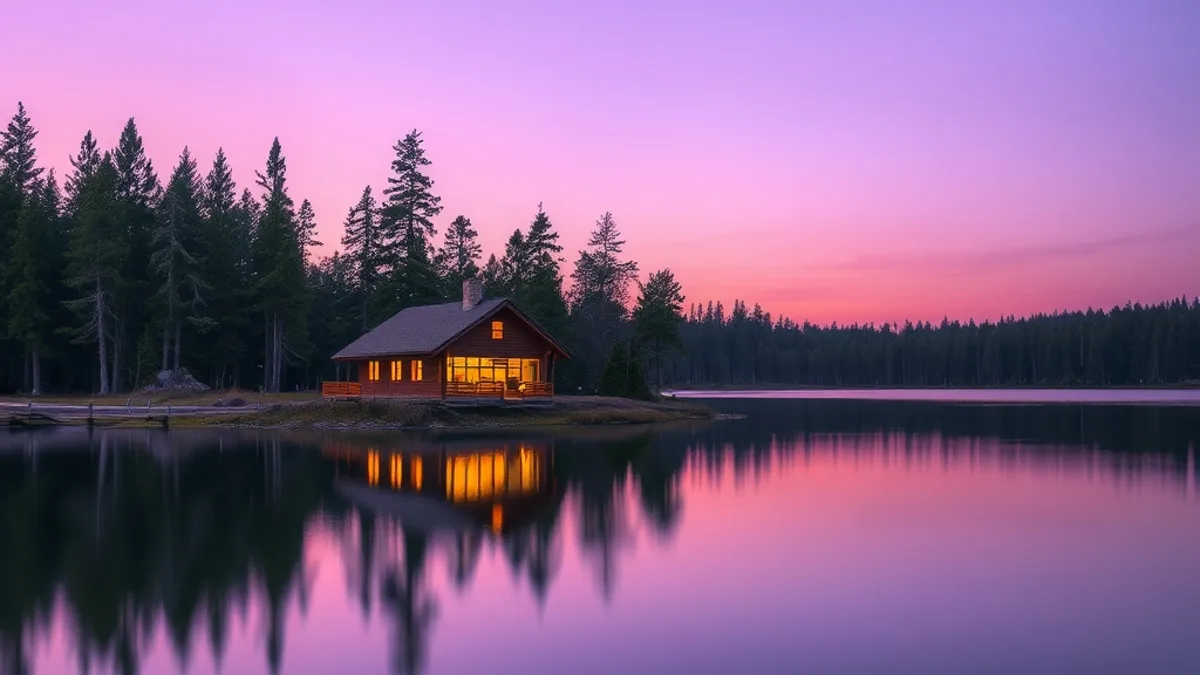
If you’re traveling with a partner or friends who fish less than you do, look at lakeside cabins and lodges with a strong sauna culture. A cabin on a calm lake, with a sauna and a dock for swimming or an evening boat ride, keeps non-anglers happy while you chase fish at dawn. It’s the same principle behind well-designed Queenstown chalets with lake stillness and mountain light: the setting itself is the activity when the rods are put away.
Ask specifically what non-fishing guests can do. Hiking trails, kayaks, wildlife viewing or a decent reading lounge matter enormously if half your group won’t be on the water. Some lodges offer guided nature walks or scenic boat trips; others assume everyone fishes, and that assumption shows.
Size changes the atmosphere too. Smaller lodges hosting 6-12 guests create a quieter, more personal feel: shared meals with the same faces all week, guides who remember your casting quirks, and no rush for the best beat in the morning. Large operations can offer more amenities and more flexible scheduling, but the trade-off is a busier, less intimate experience. Decide which atmosphere suits your group before you fall for the photos.
Putting It All Together
Choosing a fishing lodge works best in reverse: decide the water, species and season first, then find the lodge that fits. A stunning brochure photo means little if the river is out of season, the lake fishery is slow, or the drive eats half your day. Access, guide quality and honest, recent catch data are what separate a great fishery from a merely pretty one.
Timing matters just as much. Booking 6-12 months ahead secures the peak weeks, while flexible anglers who shift into shoulder seasons often pay less for quieter water. Weigh fishing hours against comfort, and think about what everyone in your group actually needs from the trip. Get those pieces aligned and the lodge will feel made for you. If this helped you plan, leave a comment or share the article with a fishing friend.