Most travelers have made this mistake at least once: paying resort prices for a boxy room near the airport, or booking a beachfront property for a two-night work trip and never touching the pool. The problem usually isn’t bad luck. It’s booking a hotel built for a different kind of trip than the one you’re taking.
This guide on business hotels vs leisure hotels breaks down how the two models actually differ, from location and room design to service style and pricing patterns. We’ll define each type, compare them side by side, and show you when each one is cheapest to book. By the end, you’ll know how to match the hotel type to your trip length and purpose, so your money goes toward what you actually need.
What Defines a Business Hotel
A business hotel is built around one question: how fast can a guest get to their meeting? That’s why these properties cluster near airports, convention centers and central business districts. The location isn’t about charm. It’s about shaving minutes off a commute for someone staying one, two or three nights with a packed agenda.
Step inside and the function-first design becomes obvious. Rooms come with a proper desk and an ergonomic chair, not a decorative shelf masquerading as a workspace. Fast, reliable Wi-Fi is treated as a utility, not an upsell. The front desk runs around the clock because flights land at midnight and depart at dawn, and meeting rooms are standard equipment rather than a rare add-on.
Why weekdays set the price
Occupancy at a business hotel follows the work calendar. Tuesday through Thursday nights are the peak, when corporate travelers fill the rooms and rates climb accordingly. Come Friday, the demand evaporates, and the same room you paid a premium for midweek can drop 20-40% in price over the weekend. For travelers who understand this rhythm, a business hotel can be one of the best-value weekend stays in a major city, often with quieter corridors and an emptier breakfast room as a bonus.
What Defines a Leisure Hotel
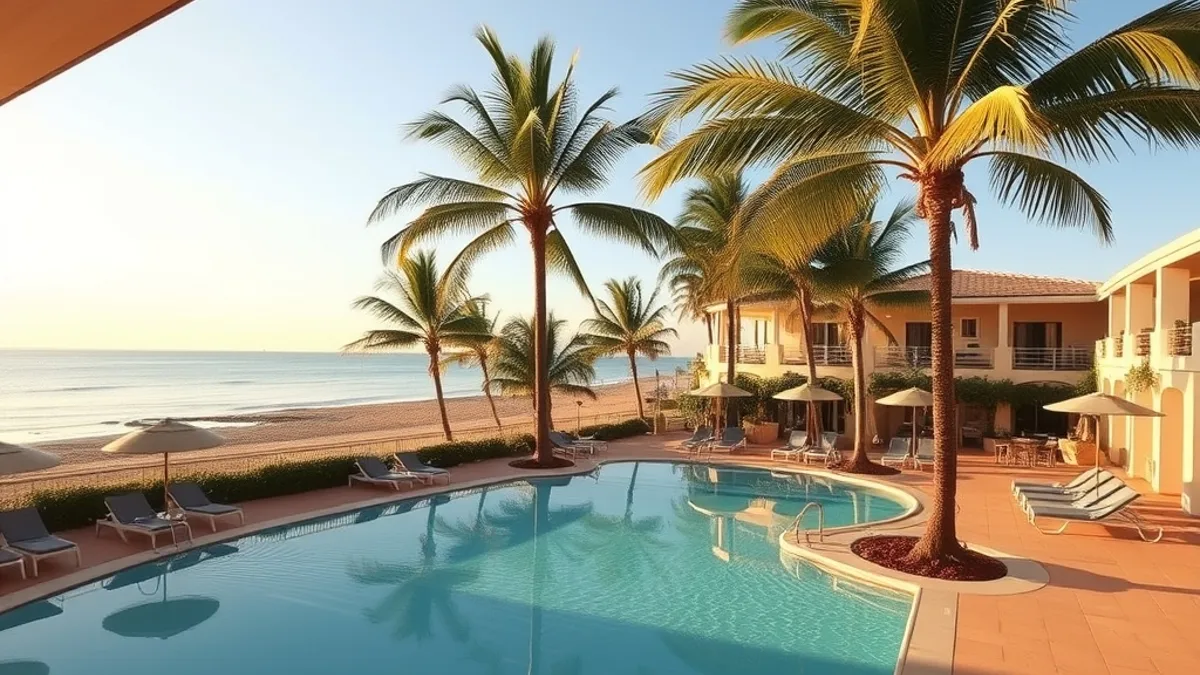
A leisure hotel is designed around its setting. The pool, the view from the terrace, the beach steps away and the on-site restaurant aren’t extras bolted onto the rooms. They are the main draw, and the property’s layout, pricing and service all revolve around them. Guests aren’t passing through. They’re there to stay put and enjoy the place itself.
Space built for longer stays
Because guests typically book a week or more, leisure properties build for comfort at scale. Resort rooms and suites often exceed 40 square meters, with room for a sitting area, a proper balcony and storage that doesn’t involve living out of a suitcase on the floor. The thinking is simple: if someone is spending seven nights in a room, it needs to function as a small apartment, not a crash pad.
The revenue model follows the seasons. Leisure hotels concentrate their earnings in peak periods, usually December-January and June-August, when demand from families and vacationers surges and rates climb 30-50% above baseline. Outside those windows, the same property can be dramatically better value, which makes timing a bigger factor here than at almost any business hotel.
Location and Setting: City Center versus Destination
Ask a business hotel what makes its location great and you’ll get an answer measured in minutes: ten minutes to the airport, five to the convention center, a short walk to the metro. The entire value proposition is proximity to meetings and transit hubs. Guests often arrive late, leave early and barely register the neighborhood around them.
Location as the destination
Leisure hotels measure location completely differently. What matters is the view from the balcony, how many steps lead down to the beach, and how far the property sits from crowds and traffic. A leisure hotel can succeed while being hours from the nearest airport, because getting there is part of the trip, not an inconvenience to minimize.
Then there’s the middle ground that blurs the line. Boutique inns in walkable historic districts offer the atmosphere and design-first mindset of a leisure property while sitting in a city center that business travelers also use. A traveler might book the same neighborhood for a conference or for a long weekend of sightseeing, and the hotel serves both purposes. These city leisure stays are a useful reminder that the two categories overlap more than booking filters suggest, and that the setting itself can be the deciding factor either way.
Rooms, Amenities and Service Style Compared
Step into a typical business hotel room and the first thing you notice is the desk. These rooms average 25-30 square meters, which is enough space to work comfortably but not much more. The design priorities are practical: an ergonomic chair, strong lighting over the work surface, plenty of power outlets and blackout curtains that let you sleep at any hour after a long flight.
Leisure hotels flip that formula. Here, the room is often the smallest part of the experience, and the real square footage lives outside it. Resort rooms and suites frequently exceed 40 square meters, and much of that space flows onto balconies, terraces and private gardens. Pools, spas and shaded lounging areas become the center of daily life rather than an afterthought near the lobby.
Service style follows the same split. A business hotel wants you checked in, fed and working within minutes; a resort wants you to linger. Some specific differences worth knowing:
- Business hotel breakfasts are usually buffet or grab-and-go affairs, designed to get you out the door before 9 a.m., while resorts often serve plated breakfasts until late morning.
- Many business properties run a 24-hour reception and express self-service check-in kiosks, since arrivals can land at any hour.
- Resort front desks typically double as concierge services, arranging excursions, spa bookings and restaurant reservations rather than printing boarding passes.
- Housekeeping at leisure properties often includes evening turndown service, something rarely seen at a weekday-focused city hotel.
- Business hotels usually offer in-room dining around the clock for late work sessions, while resorts lean on all-day poolside and open-air restaurants.
Pricing and Booking Patterns: When Each Type Is Cheapest
Hotel pricing follows the calendar of the guest it serves, and that creates predictable windows where each type gets cheaper. Once you understand the rhythm, you can time your booking to catch the dip instead of paying the peak. The trick is knowing which calendar your hotel runs on: corporate demand or vacation demand.
- Target weekends at business hotels. These properties fill up Tuesday through Thursday with corporate guests, so Friday to Sunday rooms sit empty. Rates often drop noticeably below midweek prices, and you may score upgrades or quieter floors as a bonus. If your schedule is flexible, shifting a city stay to a weekend is the single easiest saving.
- Book business hotels 1-2 weeks out. Leisure travelers plan months ahead, but business trips are typically booked 1-2 weeks before departure, and hotel pricing mirrors that. Last-minute weekend availability is common, so waiting a bit can pay off rather than costing you.
- Book leisure hotels 2-6 months ahead. Resort and beach properties reward early planners. Locking in shoulder-season dates well before peak pricing hits protects you from the 30-50% surcharges that arrive in peak season, usually December-January and June-August.
- Ask about corporate and negotiated rates. Even if you are paying yourself, many business-focused properties extend these rates to anyone who qualifies through an affiliation, membership or simply asking. They typically run 10-30% below published rack rates.
One last habit worth building: check the same hotel on both a Tuesday and a Saturday before booking. Seeing the gap with your own eyes tells you instantly which pricing pattern you are dealing with, and which direction to shift your dates to pay less.
Choosing Between Business Hotels vs Leisure Hotels for Your Trip
The right hotel type depends less on the destination and more on the shape of your trip. Length, purpose and how much time you will actually spend in the room should drive the decision, because the two models are built for very different kinds of stays.
Short trips with a packed agenda favor business hotels. When you have 1-3 nights and meetings to catch, you want to be minutes from the airport, the convention center or your appointments, with a work-ready room waiting when you get back. Paying for a pool you will never use makes little sense on a 48-hour turnaround.
Longer trips built around rest work the other way. Once you are staying 5 or more nights with no schedule to speak of, the space and setting of a leisure property start to justify their premium. A suite with a terrace gives you room to actually unpack and unwind, and the on-site dining and pool become your daily routine rather than a novelty.
A few practical filters to apply before you book:
- Count your free hours, not your trip days. Two evenings free in a business district still point to a business hotel; a single free afternoon at a resort rarely justifies the rate.
- Check whether the leisure hotel’s peak season matches your dates. Traveling in shoulder season can mean the same resort costs dramatically less, since resorts concentrate their highest rates in a few busy months of the year.
- Look at what is included. Business hotels often bundle Wi-Fi and breakfast into the rate, while resorts may charge separately for amenities you assumed were covered.
- Consider a split stay if your trip mixes work and play, which is increasingly common, since bleisure travel now makes up roughly a third of business trips.
The Bottom Line on Picking the Right Hotel Type
The mismatch that opens this article comes down to one thing: booking the wrong hotel type for the trip you are actually taking. A business hotel wins when you need a central location, a work-ready room and weekday availability. A leisure hotel wins when you want space, a setting worth staying in and better value outside peak season.
Match the hotel type to your trip’s length and purpose, and the pricing patterns tend to follow naturally. Short work trips point one way, longer rest-focused stays point the other, and the savings usually take care of themselves. If this helped you plan your next booking, leave a comment or share the article.