Most travelers who fall for Bhutan’s photos share the same frustration: they want to sleep under Himalayan skies, but solid guidance is hard to find. Which valleys actually suit a tented camp? When should you book? And how much does altitude change the experience? Glamping in Bhutan is growing in popularity, yet the practical details remain scattered and vague.
This guide sorts it out. We’ll look at why the country’s valleys are so well suited to luxury canvas, compare the best regions for tented stays, and map out the seasons. You’ll also get a realistic picture of what a valley camp offers, how to book and structure your route, and what to pack for cold nights and high trails. By the end, you’ll know exactly how to plan a Bhutan valley escape that fits your timing and comfort level.
Why Bhutan Is Made for Glamping
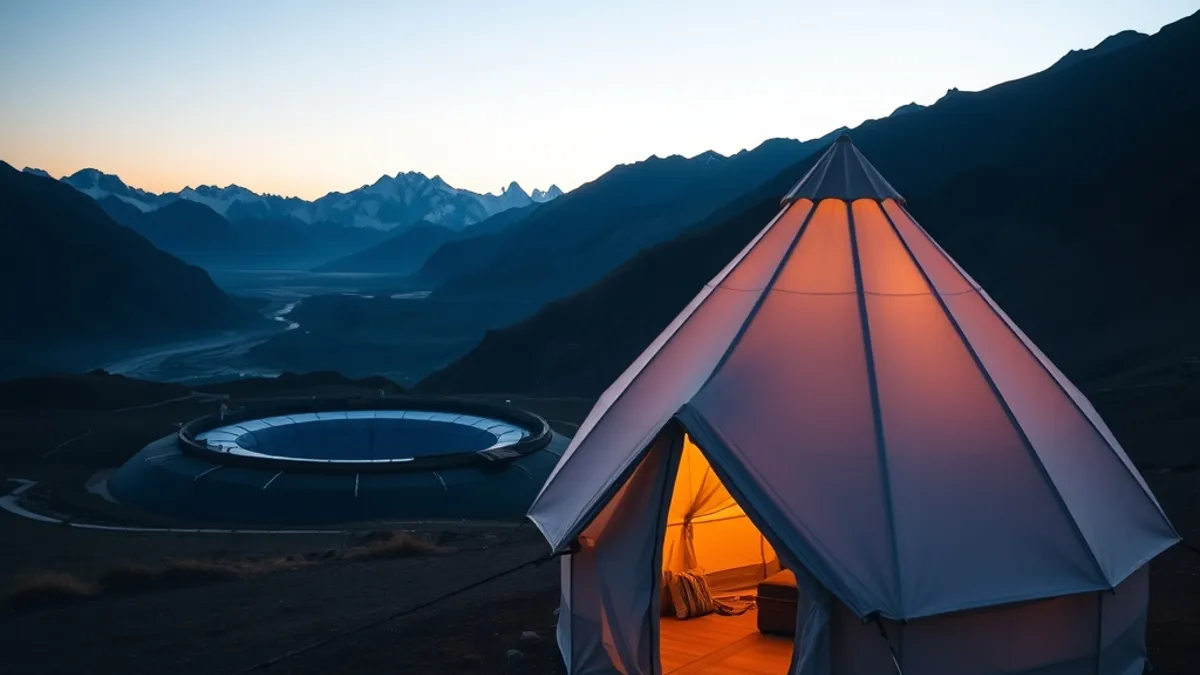
Bhutan’s landscape does most of the work. Deep river valleys cut between terraced hillsides, and the best tented camps are sited to take full advantage of it: unobstructed views of mountains, rice paddies and forest ridges that a boxed-in hotel room rarely matches. Wake up in canvas and the first thing you see is farmland climbing the slopes, not a parking lot.
Uncrowded by design
Strict limits on visitor numbers keep the valleys quiet. Even in peak season, you can walk for an hour and pass more farmers than tourists. That means a camp here feels genuinely remote rather than staged — the silence is real, not engineered for guests.
The country’s low-rise, nature-first approach to tourism shapes everything else. You won’t find high-rise resort strips. Instead, luxury tents sit alongside working monasteries, villages and forest, so glamping in Bhutan blends comfort with a landscape that continues living around you. It’s a style of travel where the setting, not the property, is the main event.
The Best Valleys for Tented Stays
Not all Bhutanese valleys offer the same experience, and choosing the right one shapes your whole trip. Paro, at about 2,200 m, is the practical pick: it’s closest to the airport, ideal for short itineraries, and camps here overlook rice terraces on the approach to Tiger’s Nest. Punakha sits far lower, around 1,200 m, giving it the warmest, most subtropical air in the country, plus dramatic scenery where two rivers meet.
For quiet and space, Phobjikha is hard to beat. This wide glacial bowl at about 2,900 m is prized for open skies and, in winter, for the black-necked cranes that arrive on the valley floor. It’s the most remote and peaceful choice. Bumthang, in central Bhutan, rewards travelers with extra days: high meadows and apple orchards give the deepest countryside feel of all.
- Paro: the easiest logistics of any valley, since you can arrive at camp within a couple of hours of landing — useful when jet lag is real.
- Punakha: the drive from Thimphu crosses Dochula Pass at 3,080 m, where clear days reveal a panorama of Himalayan peaks before you descend into warmer air.
- Phobjikha: its broad, flat floor makes for gentle walking and the best stargazing of any valley listed here.
- Bumthang: orchards and small farm villages mean you can taste local apple products and see rural life up close, not just scenery.
If open-sky remoteness is what draws you, it’s worth reading about remote hideaways with rare peace and open-sky stillness in other corners of the world, too — Bhutan fits that same spirit.
When to Go for Glamping in Bhutan
Timing matters more in Bhutan than in most destinations, because your camp’s appeal depends on weather and sky. The two prime windows are spring and autumn, and each has a distinct character.
Spring: rhododendrons and green valleys
March through May brings mild days, blooming rhododendrons and clear views across the valleys. It’s a lovely season for walking between villages and terraces. One caveat: nights at altitude stay genuinely cold in spring, so pack for sub-zero evenings even when afternoons feel pleasant.
Autumn: the clearest skies
September through November delivers the clearest Himalayan skies of the year, with post-monsoon greenery still on the hillsides. October is the standout — and the catch. It’s the busiest and most expensive month, so camps fill early and rates sit at the top of the range.
If cranes are your reason to go, plan for late October to mid-February, when black-necked cranes winter on the Phobjikha valley floor. Seeing them glide in at dusk is unforgettable, though winter nights are the coldest of the year.
Avoid the June–August monsoon. Heavy rain, leeches on trails and persistent cloud cover make tented living a damp chore rather than a pleasure, and mountain views often disappear entirely.
What a Valley Camp Is Actually Like
Forget everything you associate with camping. The tented camps in Bhutan’s valleys are proper luxury operations: large canvas tents fixed on solid wooden platforms, real beds with heavy duvets, wood-burning stoves lit before dinner, en-suite bathrooms with running water, and heated hot-stone baths for the evening chill. If you have stayed at a tented safari camp elsewhere, the comfort level is similar — this is nothing like pitching your own gear.
What you pay and what it covers
Nightly rates for these luxury tented stays typically fall between $300 and $800, and that price usually covers all meals and guided valley walks. Because camps are small — often just a handful of tents — the experience feels personal rather than resort-like. Think of it as closer to a countryside inn than a hotel. If you love that slow, rural rhythm of mornings that stretch over tea and views, the mood here is a bit like the calm described in Provence hideaways for lavender air and slow French countryside mornings — just with Himalayan peaks instead of lavender fields.
Power, Wi-Fi and the rhythm of the day
Power can come from generators or solar, so expect limited lighting after dark rather than around-the-clock electricity. Wi-Fi is slow or absent by design, and that is part of the appeal. Evenings center on butter tea by the stove, bonfires under open skies and early nights — you will likely be asleep before ten and grateful for it.
The other thing to understand is how camps move guests on foot. Expect daily walks of 2–5 hours through villages, rice terraces and forest rather than vehicle-based sightseeing. The walks are gentle and unhurried, with plenty of stops, but decent fitness and comfortable shoes make a real difference. By the end of a stay you will know the valley far better than any drive-through itinerary allows.
How to Book and Structure the Trip
Bhutan rewards travelers who plan ahead, and a tented camp stay even more so. Camps are small, flights are limited, and the best seasons fill quickly. A little structure at the booking stage saves a lot of stress later, especially when a multi-night valley stay sits at the heart of your itinerary. Here is a sensible way to approach both the reservation and the route itself.
- Reserve your camp well in advance. Book 3–6 months ahead for most dates, and 6 or more months ahead if you want October or November, when demand peaks. Small camps with only a handful of tents simply cannot absorb last-minute requests, and the most scenic tents in each camp tend to go first.
- Plan your flights into Paro with slack built in. Landings happen only in daylight, handled by a small pool of specially certified pilots, so weather can push a flight to the next day. A buffer day before your first camp night protects the whole itinerary, and it gives you a relaxed morning in Thimphu rather than a rushed transfer.
- Follow a proven 7–10 day route. A workable shape is 2 nights Paro, 2 nights Thimphu or Punakha, then 2–3 nights in a Phobjikha or Bumthang camp before returning west. This keeps driving days reasonable and puts the multi-night camp stay in the middle, when you are acclimatised and ready to enjoy slow valley walks.
- Confirm exactly what your rate includes before paying a deposit. Ask specifically about meals, transfers from Paro, guided walks and permit processing. Inclusions vary between camps, and surprises at checkout are avoidable with one email.
Once the camp is confirmed, most operators handle the rest of the logistics around it, from ground transport to the daily schedule. The main decisions left to you are flight timing and how much buffer you build in. Err on the generous side, keep your booking confirmations handy, and the trip will largely run itself.
Altitude, Packing and Staying Comfortable
Most camps sit between 1,200 m and 2,900 m, so altitude is a factor even though Bhutan’s valleys are lower than the high passes. Plan an easy first day, hydrate well and skip alcohol on arrival — these three habits make acclimatisation noticeably smoother. You may feel mildly breathless on the first evening walk; that is normal and passes quickly.
Layering is the other essential skill. Nights can drop below freezing even in spring, while midday sun at altitude is strong enough to burn through a shirt. The right approach is a system you can shed and rebuild through the day: thermal base layers, a warm mid-layer, and a down jacket for mornings and evenings, plus a wool hat and gloves that live in your daypack.
Before you zip the bag, run through this checklist:
- Headlamp or small torch. Camps run on generators or solar, so paths between tents and the dining tent are dim after dark.
- Refillable water bottle. Camps provide boiled or filtered water, so you can refill constantly on the 2–5 hour daily walks instead of buying plastic bottles.
- High-SPF sunscreen and lip balm. UV intensity at 2,000–3,000 m catches people out, especially on clear valley mornings.
- Sturdy walking shoes with grip. Terraced paths and forest trails can be muddy after rain, so trail runners or light hikers beat sneakers.
- Small cash in local currency. Camps and rural shops rarely take cards, so bring notes for village crafts and tips for guides and camp staff.
Pack light but deliberately — most camps handle luggage to your tent, so the weight matters mainly for your own daily walks. Get the layers and footwear right, and the cold nights become part of the charm rather than a hardship.
The Takeaway: Planning Your Bhutan Valley Escape
If you have been dreaming of sleeping under Himalayan skies but felt unsure where to start, the answer comes down to matching the valley to the season. Paro is the easy pick, Punakha brings the warmth, and Phobjikha delivers cranes and wide-open skies. Aim for March–May or September–November, book 3–6 months out (6 or more for October–November dates), and budget $300–$800 per night for a true luxury tented stay.
Prepare for the altitude, pack in layers, and accept that slow or absent Wi-Fi is part of the deal. Do that, and the reward is Himalayan mornings no hotel window can replicate. If this helped you plan your trip, leave a comment or share the article with a fellow traveler.