More and more travelers are discovering at check-in that their room will not be cleaned every day, and many are unsure which hotel housekeeping options actually make sense for their trip. Some hotels still offer full daily service, others push opt-in “green stay” programs, and a few vary the policy by room type or rate. If you don’t know what to ask for, you can end up with a room that’s cleaned too often, not often enough, or not at all.
This guide walks you through both sides of the choice. We’ll explain what full-service housekeeping includes, how green stay programs change the routine, and how to check a property’s policy before you book. Then we’ll help you match the option to your trip style, manage requests during a reduced-service stay, weigh comfort against savings and environmental impact, and finally choose your housekeeping setup with confidence.
What Full-Service Housekeeping Actually Includes
Full-service housekeeping is the traditional hotel model, and it still exists at many properties. Each day, a housekeeper makes your bed, refreshes the bathroom, empties the trash and restocks your towels and toiletries. You return in the evening to a room that looks the way it did on arrival day, with nothing to think about.
The turndown touch
Upscale properties often add a second visit: evening turndown service, usually between 5 and 8 PM. The housekeeper folds back the covers, closes the blinds, sets the lights for the night and may leave a small amenity. It’s a small ritual, but it signals that the room is being cared for twice a day.
Who it suits best
Full service is ideal for short stays of 1-3 nights, where you never need to worry about fresh towels, soap or an overflowing bin. The trade-off is timing: expect the room to be unavailable for roughly 30-45 minutes during the morning cleaning window, so plan around it if you work or nap in your room. If you value a daily reset and don’t mind the brief interruption, this classic option is hard to beat.
How Green Stay Programs Change the Routine
Green stay programs flip the traditional schedule. Instead of daily cleaning, opt-in programs typically shift housekeeping to every 2-3 days, and towels are replaced only when you ask. Your room stays comfortable, but it’s no longer reset every single morning.
How you opt in
Signing up is usually simple. Most green programs require opting in at check-in or the night before, and properties handle it in different ways: a door hanger you hang each night, a toggle in the hotel’s app, or a quick word at the front desk when you arrive. Once you’re enrolled, the reduced schedule runs for the rest of your stay unless you change it.
Why hotels push it
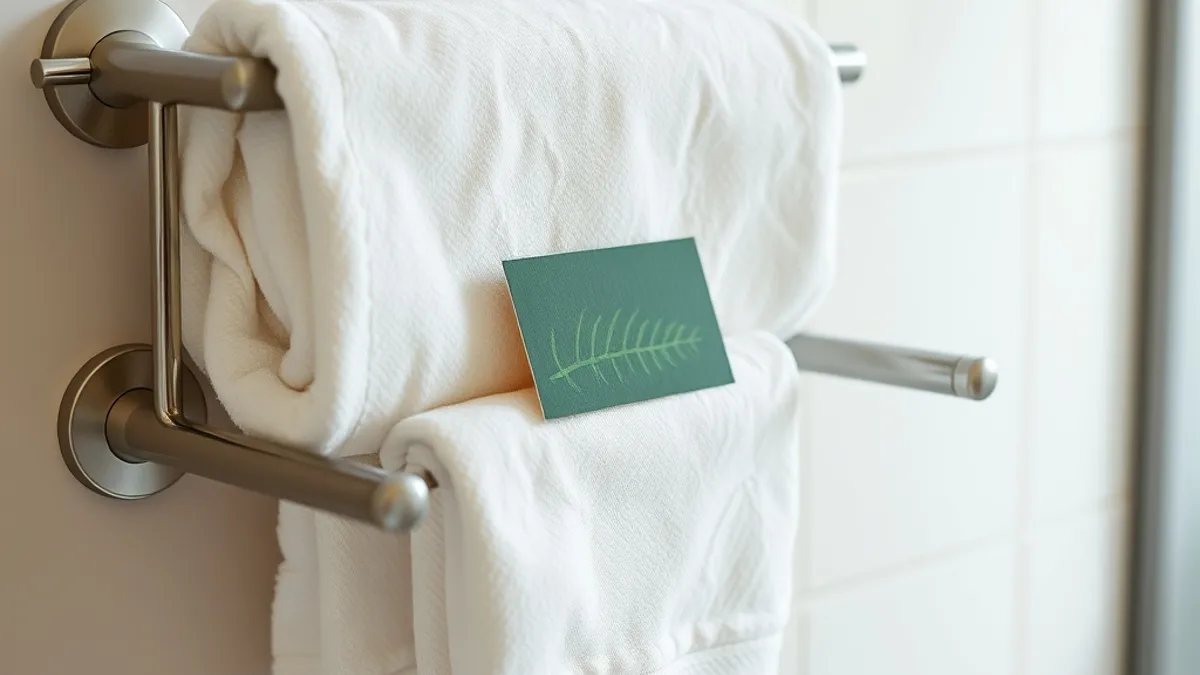
The core claim behind most programs is water savings. Towel and linen reuse programs can cut a hotel’s laundry water use by 15-20% per guest stay, which adds up quickly across hundreds of rooms. For you, the practical question is simpler: does a spotless room every morning really matter? Green options work best for longer stays of 4 nights or more, when you’ve settled in and a lived-in room between cleans feels natural rather than neglected.
Checking Housekeeping Options Before You Book
Housekeeping policies now vary not just between hotels but often between room categories within the same property, so it pays to confirm the details before you arrive. A few minutes of checking can save you an awkward conversation at the front desk after a long day of travel. It also helps you plan your stay properly, especially if you are counting on a fresh room for a specific reason like a morning meeting or guests visiting. Here’s how to do it without much effort.
- Read the policy on the booking page or confirmation email. Most properties now state their housekeeping arrangement somewhere in the fine print. Look for wording about daily service, linen changes or opt-in programs, since the rules can differ by room category or rate.
- Message the hotel directly. A short email or call confirms whether daily service is still standard or requires an opt-in. Ask specifically about your dates and room type, not just the hotel’s general policy, because seasonal staffing and occupancy can affect what is actually offered.
- Ask about incentives for declining service. Many hotels offer a 5-10 USD or EUR daily credit or loyalty points if you skip housekeeping. It’s not advertised everywhere, so you often need to ask at check-in or when booking.
- Check whether the program affects your room category. Suites sometimes retain daily service automatically, so a green program may not even apply to your booking.
Getting these answers in writing is ideal, since it gives you something to reference at check-in if there’s any confusion. It also makes it easy to change your mind later, because you’ll know exactly who to contact and what was promised. Keep the email or chat confirmation handy on your phone so you can pull it up quickly if a cleaning schedule doesn’t match what you expected.
Matching the Option to Your Trip Style
The right housekeeping setup depends less on the hotel and more on what your days actually look like. A routine that feels effortless on a two-night work trip can become an annoyance on a week-long family vacation, so it pays to match the service level to your itinerary before you arrive.
Business travelers on short trips of one or two nights usually get the most out of full service. The room is reset each morning, which means a made bed, fresh towels and a cleared desk when you return from meetings — exactly what you want when you are working from the room or packing between appointments.
Families staying a week often lean the other way. Daily tidying means staff moving toys, chargers and half-finished snacks around, and kids’ belongings scattered across the floor can make a “clean” room feel more disrupted than before. A less frequent cleaning schedule keeps everyone’s stuff where they left it, which matters more than most people expect once bags are unpacked.
Beach and resort trips pair naturally with reduced service too. Sand tracks in within an hour of returning from the pool, and damp swimwear on the rack undoes a morning deep clean, so a daily scrub adds little.
- Business travelers: ask whether your hotel offers a morning cleaning window you can pin down, so the reset happens while you are at breakfast or in your first meeting.
- Families: consider requesting extra towels on the reduced-service schedule instead of daily cleaning, since kids go through beach towels and bath towels faster than any single visit can cover.
- Beach stays: a mid-stay clean timed for a full excursion day means you come back to a refreshed room without anyone disturbing your drying swimwear.
- City breaks: if you are out sightseeing from early morning until late evening, a reduced cleaning cycle costs you almost nothing because you are barely in the room to notice the difference.
Whatever your travel style, the same principle applies: think about how many hours you actually spend in the room, and how much you care about finding it exactly as you left it. That answer tells you which service level to request before you check in.
Managing Requests During a Reduced-Service Stay
Opting into a green stay program does not mean surrendering comfort for the rest of your trip — it just means planning your requests a little more deliberately. With cleaning no longer happening every morning, the room between scheduled visits is entirely in your hands. A few small habits make the difference between a stay that feels slightly neglected and one that feels perfectly tailored to you. The trick is to think of housekeeping as something you schedule around your plans, rather than something that happens to you on a fixed clock.
- Book your mid-stay clean strategically. Pick a day you will be out from morning to evening — a tour, a long excursion, a full workday — and request the clean the night before through the app or at reception so housekeeping can slot it in. You come back to a reset room without ever having to answer a knock.
- Time small requests before you head out. Extra towels and toiletries usually arrive within 20-45 minutes of asking, so place the request just before breakfast or before you leave, and everything is waiting when you get back.
- Use the do-not-disturb sign with intention. It pauses even scheduled cleans until you remove it, which is handy on a lazy morning but easy to forget — take it off before heading out if you still want that day’s service.
- Stage trash and towels near the door. Grouping used towels and bin liners by the entrance lets staff swap them quickly without touching the rest of the room, which keeps your belongings exactly where you left them.
None of this takes more than a minute a day, and the payoff is a stay with far fewer interruptions. You control when someone knocks, what gets touched and when the room gets its proper refresh — which is arguably more control than daily service ever gave you. And if your plans change mid-trip, most properties are happy to add an extra clean on request; a quick message to reception or a tap in the app usually sorts it out. The green option works best when you treat it as an active choice you manage, not a default you simply accept at check-in.
Weighing Comfort Against Savings and Impact
Declining daily housekeeping can put money back in your pocket. A growing number of properties reward guests who skip the daily clean with a small daily credit or loyalty points, and stretched across a week, that adds up to enough for a couple of minibar drinks, a laundry order or a room-service coffee. Ask at check-in exactly how the reward works — some properties deduct it at checkout, others load it onto your folio as points.
The trade-off is accepting a lived-in room between cleans. An unmade bed, yesterday’s glasses and a slowly filling bin are part of the deal, and most travelers adjust within a day. If you are someone who unpacks everything and spreads out, reduced service can actually feel liberating — nothing gets moved but your own hands.
When full service is worth keeping
Guests with allergies may genuinely benefit from the daily cycle, since regular vacuuming and fresh linens keep dust and irritants down in a way an every-2-3-days schedule does not. Shared rooms are another case: two or more people generate trash, damp towels and clutter much faster than one, and a daily reset keeps the space workable for everyone. In these situations, giving up the credit is a reasonable price for comfort — and nothing stops you from still reusing towels where it makes sense.
Choosing Your Housekeeping Setup with Confidence
That check-in surprise is easy to avoid: daily cleaning is no longer automatic at many properties, so the choice between full service and a green stay is now yours to make. The simple rule is that full service fits short trips and travelers who want a daily reset, while green stays suit longer, low-interruption stays of four nights or more.
Confirm the policy before arrival, opt in or out deliberately, and schedule any mid-stay clean around your plans rather than leaving it to chance. Either choice can earn you a credit or simply a quieter room, as long as it matches how you actually travel. If this helped you sort out your next booking, leave a comment or share the article with a fellow traveler.