You find a safari lodge online, fall in love with the photos, then discover the same room costs wildly different amounts depending on when you travel. One week is eye-wateringly expensive, another is nearly half the price, and a third sits somewhere in between. If you have ever wondered which season, rate tier or calendar window is driving that gap, you are not alone.
This guide breaks down lodge seasonal pricing in plain language. We will explain what the three standard tiers actually mean, walk through the green season’s low rates and their trade-offs, look at why shoulder months offer some of the best value of the year, and cover what peak season premiums really buy you. We will also look at how far in advance you should book for each tier, and finish with a simple framework for choosing the right season for your trip and your budget.
What Lodge Seasonal Pricing Actually Means
Lodge seasonal pricing is simply the practice of charging different nightly rates for the same room depending on when you stay. A tented suite that costs one amount in July might cost noticeably less in November, and it has nothing to do with the room itself changing. What changes is demand, the quality of wildlife viewing, and the weather. Lodges know that a dry July with animals clustered around water sources is worth more to travelers than a rainy November afternoon, so they price accordingly.
Most safari lodges work with three standard rate tiers. Green season is the low tier, shoulder season sits in the middle, and peak season carries the highest rates. Each tier has its own date window, and those windows follow the rhythm of the seasons rather than arbitrary calendar dates. It helps to think of the tiers as a direct reflection of what you are likely to experience on the ground, not just a marketing exercise.
What is actually included in the rate
Rate tiers are quoted per night, but what that nightly rate includes varies from lodge to lodge. Some quote fully inclusive rates covering meals, drinks, game drives and activities, while others price accommodation only and add meals, activities and park fees separately. Park and conservation fees are set by the authorities and change regularly, so always check the current rate and confirm exactly what your quoted price covers before you book. Reading the inclusions carefully is one of the easiest ways to compare lodges fairly across tiers.
Green Season Rates: The Low-Cost Window
Green season, roughly November to March, is when lodges offer their lowest nightly rates of the year. For the same room, rates often run 30-60% below peak pricing, which can turn a lodge that felt out of reach into a realistic option. The December holiday weeks sit outside this window in most regions, as demand from travelers over the holidays keeps rates elevated.
The savings come with real upsides. Landscapes are lush and green after the rains, photography conditions are often superb with dramatic skies and vivid scenery, and birdlife is at its best as migratory species arrive. Camps are also quieter, which means fewer vehicles at sightings and more staff attention per guest. Many travelers find the atmosphere of a low-season camp more relaxed and personal than in the busy months.
The trade-offs to weigh
Green season is not without compromises. Rain typically falls in the afternoon rather than all day, but it can disrupt planned activities. Thicker vegetation makes animals harder to spot, so game viewing is generally less productive than in the dry months. Roads in some areas can also become muddy or slow.
There is one more practical point: some lodges close or reduce operations for 4-8 weeks during the wettest months, often February to April. If a specific camp is on your wishlist, confirm it will be open for your travel dates before you build a trip around a green season rate.
Shoulder Season Rates: The Balance Months
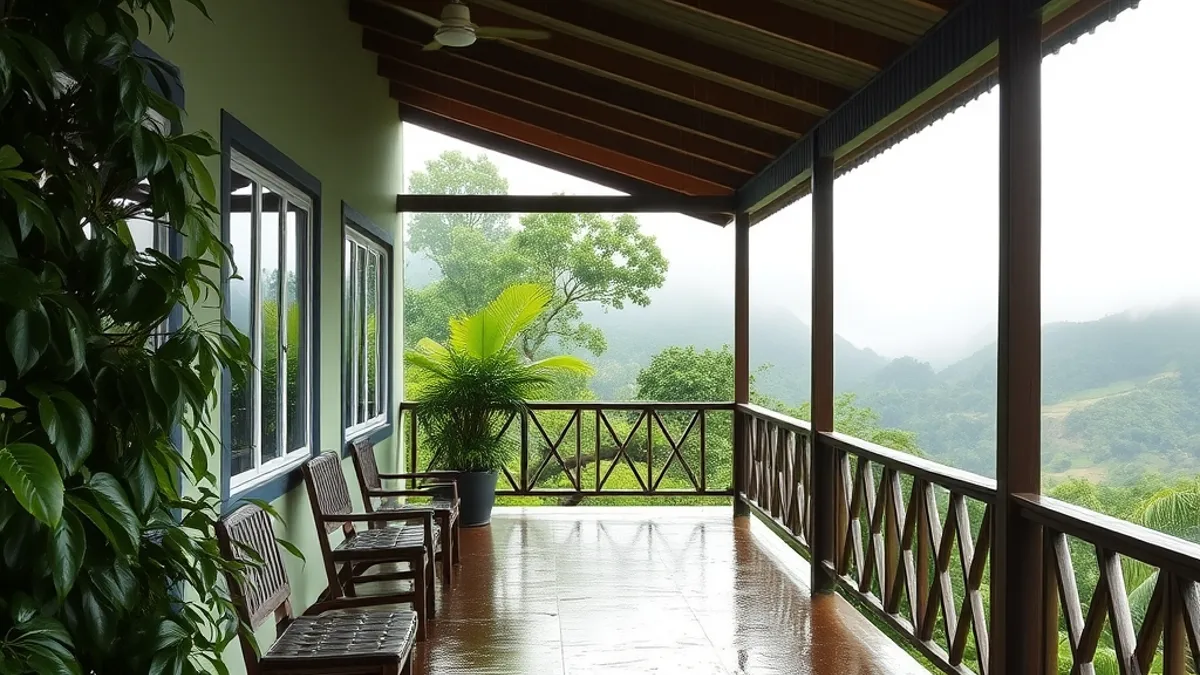
Shoulder season covers the months that bridge the wet and dry seasons, typically May and November in most safari regions. These are the transition months, and rates usually sit 15-30% below peak pricing for the same room. You are paying well under the high-season rate while getting conditions that are often far better than the green season lows suggest.
The weather in shoulder months is transitional in the best sense. Landscapes stay green from the recent rains, but rainfall decreases noticeably, and skies begin to clear. Wildlife viewing starts improving as animals become easier to find in thinning vegetation and begin moving toward reliable water sources. Photographers often love these months for the combination of green backdrops and improving light.
Why shoulder often wins on value
For travelers who want decent game viewing without peak crowds or peak prices, shoulder is usually the best value tier of the three. You get meaningful savings compared to the June to October rush, camps that are not yet full, and conditions that are still reliable rather than a gamble.
The compromise is honest rather than perfect. Sightings are generally good but not as concentrated as they will be at the height of the dry season, and the occasional shower can still interrupt an afternoon. If your priorities are a strong experience at a fair price, and you can accept slightly less predictable game viewing, the shoulder months deserve a close look before you commit to peak season rates.
Peak Season Rates: What the Premium Buys
Peak season is when lodge rates reach their yearly high, and in most safari regions that means two windows: the long dry season from June to October and the holiday period from December to January. During these months, lodges charge their top rates for the same rooms that cost far less in green season, and they can do so because demand from travelers around the world converges on the same few weeks.
The reason travelers pay it comes down to one word: water. When the dry season strips the landscape of surface puddles and seasonal streams, animals are forced to gather at permanent rivers, waterholes and springs. Elephants, predators and plains game all cluster around these reliable sources, which makes game viewing consistently strong rather than a matter of luck. Guides know where to go, drives are shorter, and sightings tend to be denser and more dramatic.
What else the premium covers
Beyond wildlife, peak season usually brings the most reliable weather. Days tend to be dry, skies are often clear, and roads are in their best condition, which matters if you are flying into a remote airstrip or crossing rough tracks. It also means full lodge operations: every room open, the full guiding team on staff, and all activities running, from boat trips to night drives, without seasonal cutbacks.
There is a practical side to this too. If your trip dates are fixed around school holidays or a special occasion, peak season may be the window that works for you, and the higher rate is simply the cost of traveling when conditions are at their best. Just remember that these weeks book out first, so plan your reservation timeline accordingly and confirm current rates with the lodge or your operator before committing.
How Booking Lead Times Change by Season
Once you have picked a season, the next question is when to actually book, because lead times vary enormously across the rate calendar. A room at a small camp in July can be gone a year out, while the same room in March might still be available a few weeks before arrival. Planning around these patterns can save you both money and disappointment. It also gives you leverage: booking early means your pick of room types, while booking late means accepting whatever is left.
Peak season is the tightest. Lodges often require 6-12 months of advance booking, and small camps with only a handful of rooms can fill even earlier, especially for the December holiday weeks. Shoulder season usually needs 3-6 months of lead time to secure good availability, giving you a reasonable planning window without the year-out scramble. Green season is the most flexible, often bookable 1-3 months ahead, and sometimes comes with last-minute discounts when lodges have empty rooms to fill. Set a calendar reminder for your target booking date so the window does not slip past you.
- Small camps sell out first: a camp with six rooms has far fewer beds than a 40-room lodge, so if you have your heart set on an intimate property in peak season, treat it like a scarce ticket and book at the earliest end of the range.
- Group and family bookings need extra runway: if you need several rooms together or adjoining family units, add months to the standard lead time, because a lodge may have one room left in July but not four.
- Last-minute green season deals favor flexible travelers: discounts on unsold rooms typically work best if you can travel on short notice, shift your dates by a few days, or accept whatever room type is still open.
- Shoulder season is the safety net: if you missed the peak booking window entirely, shifting your trip to May or November often means good camps still have space at rates below peak pricing.
Choosing the Right Season for Your Trip
There is no single best season, only the best season for the trip you want. The right choice comes down to what you are willing to trade: money for conditions, conditions for savings, or a bit of each. Before you fix your dates, decide which of these matters most to you, because every tier of the rate calendar rewards a different kind of traveler.
If wildlife sightings are the main goal and your budget allows the peak premium, book the dry season windows without hesitation. The concentration of animals around water sources is the strongest game viewing the year offers, and the weather is at its most dependable. If instead you value low rates, moody photography of lush landscapes and quiet camps where staff have time to chat, green season will feel like a gift rather than a compromise.
Your personal interests should shape the decision as much as price does. Birders, photographers and bargain hunters each have a different ideal window, and the month that suits one can be the worst choice for another. Use the quick guide below to match your priorities to the right part of the year.
- Birders should lean green: migratory species are present and many birds are in breeding plumage, so if your binoculars point at feathers more than fur, the low-rate months are actually your peak.
- Photographers face a real trade-off: green season offers dramatic skies, newborn animals and saturated colors, but thicker vegetation can block sightings, so decide whether you are shooting landscapes or wildlife before choosing.
- Shoulder months suit value-driven travelers: if you want meaningful savings with still-reliable conditions, May and November deliver reduced rates while the landscape stays green and game viewing begins improving.
- Check lodge openings before committing: during the wettest stretch, often February to April, many camps shut down entirely or run with limited facilities for 4-8 weeks, so confirm your chosen lodge is open before you build a green season itinerary around it.
Wrapping Up the Rate Calendar
That price gap you noticed between two quotes for the same lodge is not a mystery or a trick. It comes down to which tier your dates fall into: green season for the biggest savings, shoulder months for a balance of cost and conditions, and peak season for the strongest game viewing, even at rates that can run 30-60% higher than the green tier. Once you know the calendar, you can read any lodge quote and understand exactly what you are paying for.
The final piece is timing your booking to match the tier. Peak windows often need 6-12 months of lead time, while green season trips can frequently be arranged 1-3 months out, sometimes with last-minute discounts. Match your season to your priorities and your booking window to your season, and the rate you want is usually within reach. If this helped you decode lodge pricing, leave a comment or share the article with a fellow traveler.