Most travelers pack for a lodge stay twice: once too much and once wrong. They haul heavy jackets, full toiletry kits and hard-sided suitcases, only to discover the lodge already supplies half of it. At the same time, they arrive without the one thing that matters most on game drives, a decent pair of binoculars, or they bring colors that show every speck of dust. The problem usually isn’t carelessness, it’s simply not knowing what the lodge provides and what you must bring yourself.
This lodge packing list fixes that. We’ll start with the layering rule that handles cold mornings and hot middays, then cover the binoculars and field gear actually worth the luggage space. You’ll learn what lodges typically supply so you can leave it at home, how to pack for light-aircraft weight limits, and how dry season and green season change your bag. We’ll finish with the small comforts guests always wish they’d packed and a short checklist to tie it all together.
Why a Lodge Packing List Starts With the Layering Rule
On safari, temperature swings do the packing for you. Morning game drives commonly start between 5:30 and 6:30 am, when temperatures sit near 10°C, and by midday the same vehicle can feel closer to 25-30°C. That’s a 15-20°C daily swing, and it’s exactly why one heavy jacket fails: you end up either freezing at dawn or roasting by ten in the morning with nowhere to put your coat.
The three-layer system
The fix is three removable layers. Start with a breathable base layer against your skin, add a warm fleece or wool mid-layer for the cold start, and top it with a windproof outer shell against the breeze of an open vehicle. As the sun climbs, you peel off layers one at a time and stash them in your daypack. Removable layers always beat a single bulky jacket because you can fine-tune your warmth every hour instead of choosing between too hot and too cold.
Choose colors that work in the bush
Color matters as much as warmth. Stick to neutral tones like khaki, olive and gray, which hide dust and blend into the landscape. Avoid white, which shows every dirt mark after one drive, and skip bright tones that can disturb wildlife and make you more visible to animals you’re trying to watch quietly. Dark navy also attracts tsetse flies in some regions, so neutral really is the safest bet across the board.
Binoculars and Field Gear Worth the Luggage Space
If you bring one piece of gear beyond clothing, make it binoculars. Spotting a leopard in a tree or a lion yawning from two hundred meters away is a completely different experience through good glass, and lodges rarely have enough pairs to go around. For game viewing, choose 8×42 or 10×42 binoculars, typically priced in the $150-500 range. The 8×42 magnification gives steadier images on moving animals, which matters when your subject rarely sits still, while 10×42 pulls distant subjects closer at the cost of a little shake.
Beyond the binoculars, a few small items earn their luggage space on dusty drives. Pack them where you can reach them without digging through your bag.
- Headlamp with red-light mode: lodges and campsites are dark at night, and red light preserves your night vision while being less disruptive to wildlife and other guests than a white beam.
- Power bank: outlets in remote lodges can be limited or shared, so a charged power bank keeps your phone and camera ready for the next drive.
- Camera lens cloth: fine dust coats lenses within minutes on dry-season drives, and a microfiber cloth in your daypack means you never miss a shot wiping with a shirt tail.
One honest warning: skip the tripod and the large zoom lens unless photography is genuinely your main purpose. They add serious weight to a bag that’s already under a strict transfer limit, and for most guests they deliver far less gain than they promise. A steady hand, good light and the lens cloth above will carry you further than ten extra kilograms of gear.
What Lodges Typically Provide, So You Can Leave It at Home
The fastest way to lighten your bag is to find out what waits in your room. Most lodges supply insect repellent, sunscreen, umbrellas and full in-room toiletries, which means your bottles of shampoo, bug spray and lotion can stay at home. Many also keep hairdryers in the rooms, so that’s another bulky item you can cross off without giving up anything.
Laundry changes the math
Laundry is the real packing shortcut. Most lodges offer laundry service after 2-3 nights, which means a week-long stay needs only 5-7 days of clothing, not seven full outfits for every occasion. Pack a few days of versatile pieces, send them out for washing mid-stay, and you’ll carry half the clothes most travelers bring. Just avoid sending delicate fabrics or items you need back within hours, since turnaround times vary.
Confirm before you fly
Amenities aren’t identical everywhere, so email the lodge 2-4 weeks before arrival and ask for a confirmed list of what’s provided. This small step takes five minutes and prevents both overpacking and awkward gaps. Keep in mind that tented camps generally supply less than permanent lodges, so if your itinerary mixes the two, pack to the camp’s standard rather than the lodge’s. The reply you get is your final word on what stays home and what goes in the bag.
Footwear, Bags and the Light-Aircraft Weight Limit
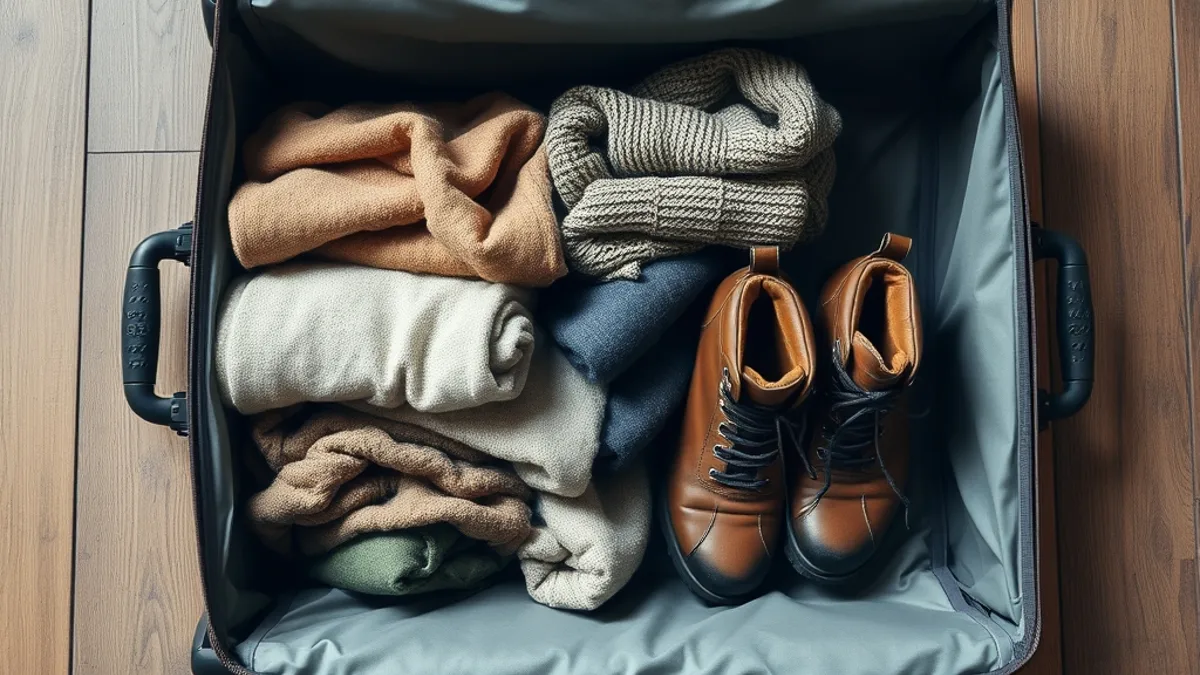
Footwear is where most travelers overpack. On lodge terrain you rarely need more than two pairs: one pair of closed shoes that you have already worn on several walks before your trip, and one pair of sandals for hot afternoons around camp. Heavy hiking boots are rarely needed at lodges, where game drives happen by vehicle and guided walks usually follow flat, well-used paths. Breaking in your closed shoes at home is the single best way to avoid blisters on your first long drive day.
Bags matter just as much as shoes. If your itinerary includes light aircraft transfers, leave the hard-shell suitcase at home. These small planes usually cap luggage at 15-20 kg and need soft-sided duffels that fit the baggage hold. A rigid suitcase can be refused or repacked at the airstrip, which is the last thing you want before a flight. Weigh your duffel the night before departure, since camera gear and souvenirs add up faster than you expect.
Finally, pack a small daypack that lives next to you on game drives. It should hold everything you reach for during a morning drive, from your binoculars to a lens cloth, without digging through the main duffel while the vehicle is moving.
- Choose a duffel without external rigid frames: collapsible sides make it easier for camp staff to store and load, and it packs flat for the trip home.
- Pick sandals with a back strap: simple slides slip off on uneven paths, while a strap keeps them secure around pool areas and outdoor showers.
- Keep your daypack under about 10 liters: a compact size fits on your lap in open vehicles, where space is tight.
- Bring spare shoe bags or stuff sacks: dusty shoes stay separate from clean clothing in your duffel.
Seasonal Adjustments: Dry Season Versus Green Season Packing
Your packing list changes more with the season than with the lodge itself. The dry season, running from June to October, brings dust as its main challenge. Early departures mean you’ll leave camp while temperatures hover near 10°C, then midday temperatures often reach 25-30°C. That daily swing of 15-20°C is exactly why the layering rule exists.
Dry season: fight the dust
Prioritize dust protection for June-October trips. Pack a buff to cover your nose and mouth on open vehicles, stick to closed shoes so grit stays out, and bring several lens cloths for your camera and binoculars. Dust settles on every surface, so a small brush or extra cloths earn their luggage space quickly. Zippered pouches for electronics also help keep fine grit away from lenses and charging ports.
Green season: prepare for afternoon storms
From November to March, the green season swaps dust for rain. Afternoon storms are common, so add a lightweight rain jacket and quick-dry clothing. Skip heavy cotton, which stays damp for hours in humid conditions, and favor fabrics that dry overnight. A dry bag or waterproof pouch for your phone and camera gear is a small addition that pays off when a sudden shower catches you mid-drive.
One planning note: book dry-season stays 6-12 months ahead, since peak-month lodges fill first. The good news is that packing needs differ less than you’d expect between seasons, so a well-built core list works year-round with a few swaps.
Small Comforts Guests Always Wish They Had Packed
The best packing advice often comes from things travelers forget, not what they overpack. Long, dry, dusty drives take a toll on your body, and a few small comforts make the difference between a good day and a great one in the vehicle.
Start with hydration and skin care. A reusable water bottle, lip balm with SPF and a good moisturiser counteract dry, dusty air on long drives. Open vehicles and wind at 25-30°C midday heat dry out your lips and skin faster than you expect. A light scarf or buff is the most versatile item you can bring: it doubles as sun cover, dust filter and warmth on open vehicles, especially in the first cold hour of a morning drive.
Medical items deserve special attention. Remote lodges stock limited supplies, so bring any personal medication in original packaging plus a small basic first-aid kit. Pharmacies are often hours away, not minutes.
- Choose an insulated water bottle: it keeps water cool through a hot midday drive when the vehicle’s supply has warmed up.
- Pack blister plasters and rehydration salts: long walks and hot days cause problems that a basic kit solves on the spot.
- Carry medication in your hand luggage: checked duffels on light aircraft occasionally arrive late, and you don’t want daily medication in the hold.
- Add motion-sickness tablets: winding dirt roads between lodges affect travelers who are otherwise fine on paved highways.
Packing Light, Packing Right: The Lodge Checklist in Short
Packing for a lodge stay comes down to knowing what you actually need to carry versus what will already be waiting in your room. Build your bag around a few removable layers, one reliable pair of binoculars, and a soft-sided duffel that stays within the 15-20 kg limit for light aircraft transfers. With lodge laundry and supplied toiletries covering the rest, 5-7 days of clothing is enough for a full week away.
Before you fly, match your kit to the season you’re traveling in and email the lodge for a current amenities list so nothing gets packed twice. Pack light, pack right, and the only thing heavy on your trip will be the sightings. Have a packing tip of your own? Leave a comment or share this article with a fellow traveler.