You found a lodge rate that fits your budget, then discovered that traveling alone nearly doubles the price per night. If that sounds familiar, you have run into the lodge single supplement, the surcharge many properties apply when one guest occupies a room priced for two. It can turn an affordable safari or lakeside escape into a stretch, and it catches solo travelers off guard every season.
The good news is that solo rates are not set in stone. In this article, we explain what a single supplement actually is and why lodges charge it, how much it typically adds to your bill, and when to book to reduce it. We also look at which lodge types and regions treat solo guests better, and share practical ways to soften the cost. By the end, you will be able to read a rate sheet with clear eyes and plan a solo stay that fits your budget.
What a Lodge Single Supplement Actually Is
Lodge rates are almost always built around two people sharing a room. When a lodge quotes a per-person rate, that price assumes full occupancy: two guests splitting the cost of the room, the meals and the staff time that keep it running. The room itself costs the lodge the same to maintain whether one person sleeps in it or two.
A single supplement is the surcharge a solo traveler pays to take that room alone. Rather than paying the per-person sharing rate, you pay that rate plus an additional amount, usually expressed as a percentage. You will often see it written as “plus 30% for solo occupancy” on a rate sheet or in a quote from a booking agent.
Not a penalty, just math
It helps to understand what a supplement is not. It is not a penalty or a fee in the legal sense, and it is not the lodge punishing you for traveling alone. It is simply the lodge recovering the revenue that an empty second bed would have cost. If a room is priced for two and only one bed is sold, the lodge has lost half the room’s earning potential, and the supplement is how it balances that out.
Why Lodges Charge Solo Guests More
The simplest explanation for solo rates comes down to fixed costs. Housekeeping, meals, laundry and staff time are nearly identical whether one or two guests sleep in a room. The sheets still get changed, the dinner still gets cooked, and the guide still shows up in the morning. When a room runs at half occupancy, the lodge covers those same costs with half the revenue.
Why small lodges feel it most
Scale matters here. A small, remote lodge with 10 or fewer rooms has very little spare capacity, so one half-empty room is a bigger revenue loss than it would be at a 200-room resort. Small lodges are also the most likely to charge a full supplement, because a single unsold bed genuinely hurts their bottom line.
Activities add another layer. Game drives and guided excursions are priced per vehicle, not per person, so a solo guest fills a seat that would otherwise earn twice as much. The vehicle, the fuel and the guide cost the same either way, which pushes lodges to recover that margin elsewhere.
Finally, timing plays a role. In high-demand seasons, lodges can usually fill every bed with two paying guests, which is exactly when supplements are enforced most strictly. If the calendar is full anyway, there is little incentive to discount a solo booking.
How Much the Supplement Typically Adds
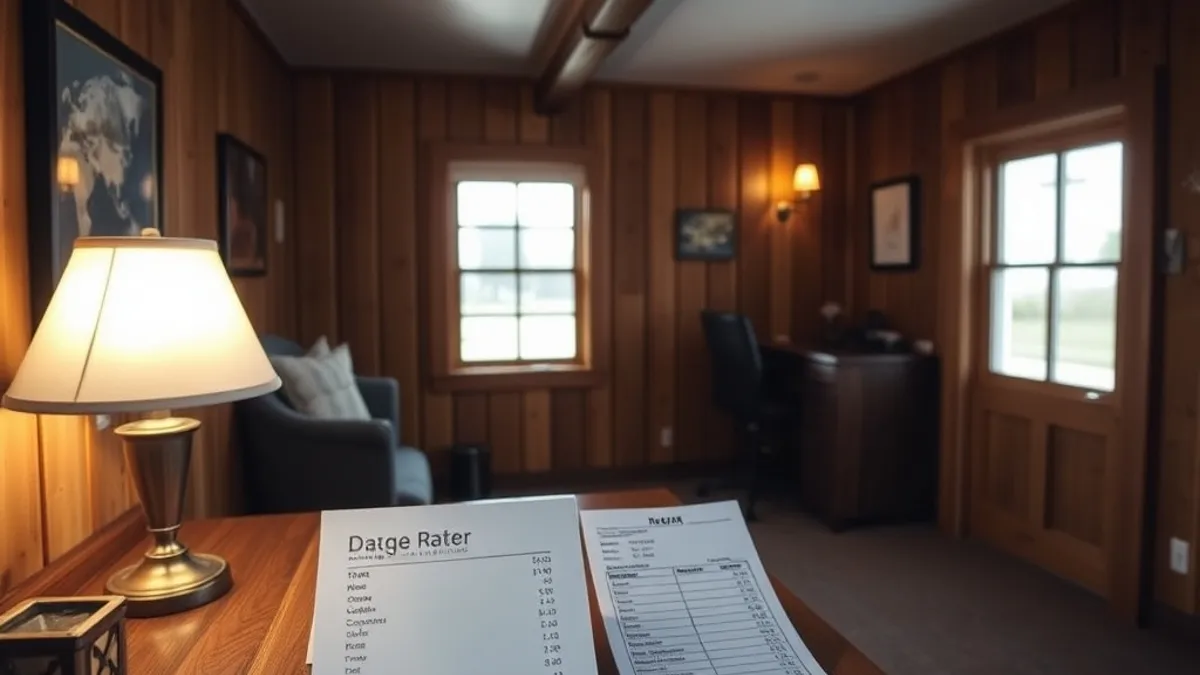
So how much should you actually expect to pay extra? Most lodges add 25-100% over the per-person sharing rate, with safari properties clustering around 30-50% of the twin-share price. The exact figure varies widely by property, season and room category, so it pays to check how each lodge structures its solo pricing before you book.
The way the supplement is quoted also varies. All-inclusive lodges often quote it as a flat daily amount rather than a percentage, since meals, drives and fees are bundled into one rate. And at some properties, the supplement approaches a full second rate, meaning a solo guest can pay close to what a couple pays in total for the same room.
One rule applies across the board: always compare the total solo price per night, not the headline per-person rate, before judging whether a lodge is affordable. A few things to look for when you do:
- What the percentage applies to. A 40% supplement on a room-only rate costs far less than 40% on a rate that already includes meals, drives and park fees, so check the base before comparing lodges.
- Whether solo pricing changes by season. Some lodges publish separate solo rates for peak and low season, and the gap between them can be substantial.
- Room category differences. Because the supplement is calculated on the room rate, a smaller or simpler room category often carries a lower extra charge than a suite.
- Resort-style alternatives. Larger coastal properties, such as the bluewater resorts in South Africa for safari elegance and coastal release, tend to spread fixed costs across more rooms, which often keeps their solo surcharges at the lower end of the range.
Timing Your Booking to Reduce the Charge
The single biggest lever solo travelers have is timing. During green season in southern Africa, roughly November to March, many lodges struggle to fill their rooms and quietly waive or halve the single supplement to attract bookings. You trade some rain and thicker bush for a rate that can come very close to the per-person sharing price.
Book early, negotiate hard
Booking 6 to 12 months ahead gives a travel agent real room to negotiate. When the calendar is still open, a lodge would rather secure one confirmed solo guest at a reduced supplement than gamble on filling that bed later. Ask your agent to request a solo rate in writing and to compare it across several properties before you commit.
Last-minute deals work in the opposite direction, and they can be just as effective. Small lodges trying to fill a single unsold bed within 2 to 4 weeks of arrival often release steep solo discounts, because one paying guest beats an empty room. If your dates are flexible and you can travel on short notice, sign up for lodge newsletters or ask an agent to flag cancellations.
Finally, think about which nights you book. At leisure-driven destinations, midweek dates are far easier to secure without a supplement than weekend nights, when lodges expect couples and families. Shifting your stay by even one or two days can change the rate you are quoted.
Lodge Types and Regions That Treat Solo Guests Better
Not every lodge treats solo guests the same way, and knowing where to look can save you a surprising amount. Larger lodges and resort-style properties spread their fixed costs across many more rooms, so a half-empty bed hurts them less. Their supplements tend to sit at the lower 25-30% end of the scale, rather than the steeper charges you will see at intimate bush camps.
Where solo travelers get a better deal
Destinations with a strong solo travel culture are changing fastest. Solo travelers now make up roughly one in four leisure trips worldwide, and lodges in those regions increasingly publish dedicated no-single-supplement dates on their annual calendars. If avoiding the surcharge matters to you, build your trip around those dates rather than hoping for a waiver.
Accommodation style matters too. Self-catering and homestead-style stays price per unit rather than per person, which removes the supplement structure entirely — you pay for the cottage, not for the bed you leave empty. Stays like the spacious homesteads near safari country in Nanyuki show how this model works in practice, especially for longer stays.
Competition is your friend as well. Safari regions with many competing properties give you more leverage to ask for a supplement waiver than single-lodge private concessions, where the lodge knows you have nowhere else to go. Ask an agent to pitch two or three comparable lodges against each other.
Practical Ways Solo Travelers Soften the Cost
A few practical moves can take real money off a solo booking, and none of them require anything more than asking. The single most effective habit is to get the solo rate confirmed by email before you commit. Many lodges hold unpublished waivers they apply on request, but they rarely advertise them, so the quoted rate is not always the rate you could pay.
Rate structure matters just as much. All-inclusive rates bundle meals, game drives and park fees into one price, which dilutes the supplement across the whole stay instead of letting it sit on the room alone. A supplement on a room-only rate stings far more than the same percentage spread across a package that already includes two game drives a day.
Room choice is the last easy win. Supplements are calculated on the room rate, so a lower base means a lower extra charge. Before you accept the standard quote, run through this checklist:
- Put your inquiry in writing. An emailed quote protects you if the supplement changes between inquiry and booking, and it gives you something to compare across lodges.
- Price the smallest room category first. A standard tent at a high supplement can cost less than a luxury suite at a low one, so compare the final solo price, not the percentage.
- Look for solo-priority group departures. Some lodges and operators pair solo guests into shared twin rooms on set departure dates and drop the supplement entirely — worth considering if you are open to a roommate.
- Ask what the all-inclusive version includes. Park fees, drinks and laundry can add up quickly, so confirm exactly what is bundled before judging whether the package rate is better than room-only.
None of these tactics works every time, but together they routinely shave a meaningful amount off the quote. The consistent theme is simple: always ask, and always compare the total solo price per night.
The Solo Rate, In Short
So that rate that suddenly doubled when you booked for one? It has a name: the lodge single supplement, a surcharge for occupying a room priced for two, usually adding 25-100% on top of the per-person sharing rate. It is not a random penalty. Because per-room costs like housekeeping, meals and staff time stay fixed, and because small lodges with 10 or fewer rooms cannot absorb half-empty rooms, the extra charge simply covers the revenue of that unsold second bed.
The good news is that the supplement is negotiable more often than it looks. Green season dates, roughly November to March in southern Africa, booking 6-12 months ahead, and asking directly for a solo rate are the main levers for reducing it. Above all, work out what you would actually pay for one night as a solo guest, not the headline per-person rate, because that final figure is what makes lodge budgets realistic. If this helped you plan a solo trip, leave a comment or share the article with a fellow traveler.