Organizing a shared glamping stay for a retreat or small group sounds idyllic until tents, budgets, meals and schedules all need to align. One guest wants a private yurt, another wants to split costs evenly, and you are suddenly juggling spreadsheets instead of planning the actual retreat. Glamping for retreats can absolutely work beautifully for groups, but it rewards hosts who plan the practical details early.
This guide walks through the decisions that matter most: why canvas lodges and shared fire pits often beat a hotel conference room, how to match a site’s size and bathrooms to your headcount, and which landscapes suit group stays best. We will also cover when to book, how to split costs fairly without becoming the group’s accountant, and the logistics that keep arrivals, meals and daily plans running smoothly. By the end, you will have a clear checklist for a shared stay that feels effortless for everyone, including you.
Why Glamping Works for Retreats and Small Groups
The appeal of glamping for retreats comes down to a simple balance: privacy and togetherness at the same time. Canvas lodges, yurts and cabins give each guest their own door, bed and quiet corner to retreat to after a full day, while the whole group still stays on one shared site. Nobody gets lost across hotel corridors or floors apart in a chain property, and nobody has to share a bunk room with a snoring roommate either.
Gathering space that actually gets used
Communal fire pits, outdoor kitchens and wide decks do something a hotel meeting room never can: they make gathering feel casual instead of scheduled. Conversations start over morning coffee on the deck and continue around the fire in the evening, which is exactly the atmosphere most retreat hosts hope for. The setting does the facilitation for you.
Nature settings also suit the content of most retreats far better than urban conference setups. A yoga session on a grassy clearing, a writing exercise beside a lake or a wellness workshop under open sky lands differently than the same activity in a windowless function room. The landscape becomes part of the program rather than a backdrop to it.
Choosing the Right Site Size and Setup
Getting the size right is the first practical filter for any group booking. Most exclusive-use glamping sites comfortably host 8-20 guests per takeover, so start by counting your confirmed headcount rather than your interested list. A site that is too small leaves guests doubled up in structures meant for two; one that is too large can feel empty and dilute the group energy you are trying to build. It also helps to ask how the site splits larger parties across units, since some operators place groups in clusters while others spread tents across a wider area, and that layout changes how connected your guests feel from morning to night.
Before you fall in love with photos, ask the site direct questions and get answers in writing. The three that matter most:
- Bathroom ratio: aim for at least 1 bathroom per 4-6 guests, and ask whether those are en-suite, shared blocks or a mix, since a long walk to a shared shower changes the morning routine for a whole group.
- Weather-proof gathering space: confirm there is one or two larger shared structures, such as a lodge or tented lounge, so rain never cancels your group session or communal dinner.
- Bed configuration per unit: check whether each tent or cabin sleeps two, three or more, because a “sleeps 12” site made of four-person units may force strangers to share beds rather than rooms.
A site that answers all three clearly is usually one that has hosted groups before, and that experience shows. Seasoned hosts can tell you which units suit couples versus friends, how the site handles early risers and late sleepers, and where noise carries after dark. Ask for a recent reference from a similar-sized group if you can, because a short conversation with a past host often reveals practical details no listing page mentions.
Where to Look: Landscape Types That Suit Group Stays
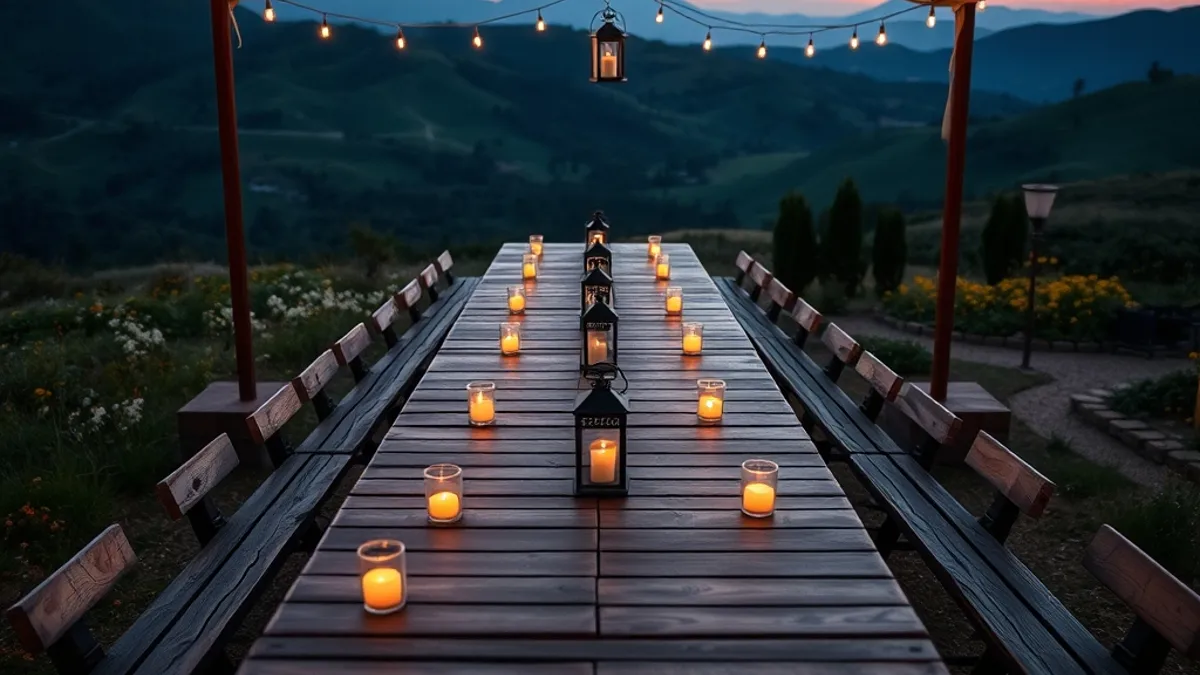
The landscape you choose shapes the whole character of a group stay, from how guests move around the site to how easy meals and activities become. Forest and lakeside clearances are often the safest all-round choice for groups. The tree line and water provide natural privacy between tents, and clearings tend to offer the flat, well-drained ground that multiple structures need. If that setting appeals, see how woodland stays in Latvia’s Gauja region make the most of forest stillness for a quiet group escape.
Coast, hills and working estates
Coastal and hilltop sites deliver the scenery that makes retreat photos unforgettable, but exposed locations come with trade-offs. Wind is the main one: ask whether the structures are rated for the site’s conditions and whether there is a sheltered dining area or lounge where the group can eat and gather comfortably on breezy days. A spectacular view matters little if every meal becomes a battle with the elements.
Vineyard, farm and meadow estates solve a different problem: food. These properties frequently have catering partnerships with local chefs or producers, which simplifies group meals enormously. Instead of coordinating self-catering for a dozen people, you can often arrange breakfast and dinner as part of your booking, leaving your schedule free for the retreat itself. Ask any estate you contact what food arrangements they offer groups, since this varies widely and can make or break your logistics.
Timing and Booking Your Group Glamping Stay
Group glamping dates, especially in the popular summer stretch, disappear faster than most first-time retreat hosts expect. Exclusive-use takeovers of an entire site are limited inventory, and other organizers are often chasing the same weekends. A clear booking timeline keeps you from settling for a site that does not fit your group, and it gives you leverage to ask the right questions before you commit any money.
- Reserve 6-9 months ahead for May-September dates. Summer weekends are the first to go, and exclusive-use takeovers sell out before individual tent bookings do. As soon as you have a rough headcount and preferred dates, contact sites and ask specifically whether they offer whole-site takeovers for your window.
- Consider shoulder-season windows in April-May and September-October. These months can cut rates by 20-30%, and the site is quieter with fewer outside guests around. Weather is less predictable, so confirm that the shared structures are heated or sheltered before committing.
- Prepare for a deposit of 30-50% at booking. Most hosts collect a substantial deposit to hold the whole site, so have funds ready when you confirm. Ask exactly when the balance is due and whether the deposit is refundable at all.
- Get the cancellation policy in writing for the whole group. Verbal reassurances are not enough when you are coordinating other people’s money. Confirm in writing what happens if your numbers drop, if weather disrupts access, or if you need to move dates.
Start your search early even if you are not ready to book. Shortlist three or four sites that fit your group, note their peak-season availability patterns, and ask each one how far ahead groups typically reserve. This groundwork means that when your preferred window opens, you can move quickly instead of starting from scratch while someone else signs the contract.
Once dates are locked, communicate the confirmed policy to every guest before they pay their share. Include the deposit deadline, the balance due date and the cancellation terms in one clear message. That single step prevents most of the awkward conversations that come up when plans change late in the process, and it protects you as the organizer if a guest drops out unexpectedly.
Budgeting and Splitting Costs Fairly
Money is where group trips get tense, so build your budget before you invite anyone. The good news is that glamping pricing is fairly predictable once you know the model: exclusive-use sites typically run $150-400 per person per night, and that rate usually includes access to shared facilities like kitchens, lounges and fire pits. Get quotes from a few sites in that range so you know what the shared facilities and setting are actually buying you.
Build one transparent per-person price
The clearest approach is to separate accommodation from everything else. Keep the site cost in one line, then add catering, facilitator fees and transport as their own line items. Combine them into a single per-person figure that each guest sees up front. When guests understand what they are paying for, they stop questioning individual charges, and you avoid absorbing hidden costs yourself.
Let individuals pay their own share
Never front the entire trip yourself and chase friends for reimbursement afterward. Use a group payment tool so each person pays their share directly to the pot or to the site. This protects your own cash flow, removes the discomfort of chasing payments, and gives you a clean record of who has paid before deposits are due. Send payment deadlines that match the site’s deposit and balance schedule so you are never covering a gap out of pocket.
Logistics That Make Shared Stays Smooth
Smooth logistics are the difference between a retreat that feels effortless and one where you spend the weekend solving problems instead of enjoying it. The three areas to get right are arrival, food and pacing. Each one is simple to handle in advance, but each one can quietly derail a weekend if you leave it to chance. A group that lands late, waits hours for a transfer and then faces an unclear meal plan will arrive frustrated, no matter how beautiful the site is. Handle all three before anyone packs a bag, and the weekend largely runs itself. The good news is that none of this requires professional event experience; it just requires asking the right questions early and putting the answers in writing.
- Choose a site within 60-90 minutes of a major airport. Long transfers drain energy before the retreat begins, and a short drive makes late or delayed arrivals far less stressful. Arrange one shared transfer vehicle so nobody rents cars or navigates rural roads alone, and share the pickup time with every guest well in advance. If guests are flying in from different cities, ask everyone for their arrival times a few weeks out so you can group them onto one or two pickups instead of scrambling on the day.
- Match meals to the site’s kitchen capacity. A small camp kitchen that works for four people will not handle cooking for twelve. Ask the site exactly what their kitchen includes: oven, refrigerator space, cookware, prep surfaces and dishwashing setup. If it falls short, book a local caterer for at least the main evening meals, and keep breakfasts and lunches simple with self-serve options. Self-catering for a group of 10 or more is a full-time job, and it should not fall on the host, who also needs to be present for the retreat itself.
- Build a light daily schedule around one anchor activity. Give each day a single focal point, like a morning yoga session, a guided walk or a group workshop, and leave generous free time around it. Guests at a retreat want breathing room, and an overstuffed schedule turns rest into obligation. Plan meals and the anchor activity first, then let everything else stay flexible so the group can follow its own energy.
Share the schedule, transfer details and meal plan with guests about a week before arrival. A short, clear information sheet covering what to pack, how meals work and when the transfer leaves answers most questions before they reach you. It also cuts down on the stream of individual messages that tends to arrive in the final days. Send it as one document rather than a chain of emails, so guests can find details quickly on their phones. With that done, you can arrive relaxed, knowing the practical side is handled, and let the setting do its work.
Wrapping Up Your Group Glamping Plan
Coordinating a group glamping trip can feel overwhelming at first, but it really comes down to a handful of fundamentals. Get the site size, bathroom ratio and gathering space right for your headcount, and nearly every other decision falls into place more easily.
Timing matters just as much. Reserve 6-9 months ahead if you want popular summer dates, since exclusive-use takeovers tend to go first. If your group has flexible calendars, shoulder-season windows can protect both your budget and your odds of snagging a good site.
Finally, keep the money and logistics simple: split costs transparently so no one person fronts everything, and resist over-scheduling the days. The setting does the memorable work, not a packed itinerary. If this helped you sketch out your own retreat, leave a comment or share the article with your group.