Many solo travelers write off lodges before even looking at prices, assuming they charge double for one person and feel built for couples on honeymoon. It’s an understandable worry, but often the opposite is true. The right lodge can be the most social and affordable way to travel alone, with communal dining tables, shared game drives and staff who learn your name by day two.
This guide walks you through everything worth knowing about solo lodge travel: why lodges often suit solo travelers better than hotels, how single rates and the solo supplement actually work, and how shared tables and group activities turn a remote stay into a social one. You’ll also find a practical checklist for choosing a solo-friendly lodge, safety and comfort tips for staying alone, and simple ways to get the most from your trip.
Why Lodges Suit Solo Travelers Better Than Hotels
At first glance, a lodge’s nightly rate can look steep compared with a city hotel room. But that comparison misses what’s actually included. Most lodges price on an all-inclusive basis: your meals, daily activities and guides are bundled into one rate. A solo guest at a safari lodge typically gets game drives, guided walks, three meals and expert guiding for that single price, while a city hotel rate covers little more than a room and breakfast.
Staff ratios tell a similar story. Lodges often run one guide per few guests, which means you get personal attention as standard. On a game drive, you can ask your guide every question you like about tracking, birds or animal behavior without paying anything extra for private guiding. In a hotel, that level of attention usually requires booking and paying for a private tour.
Logistics handled for you
Remote settings are where lodges really earn their keep for solo travelers. Transport from the nearest airstrip, meals at set times, and a full daily schedule are all handled on site. You don’t need to research restaurants in an unfamiliar language, arrange transfers alone, or fill empty evenings by yourself. Someone else has planned your day; you just show up, which is exactly what most solo travelers want after the effort of getting there.
Understanding Single Rates and the Solo Supplement
Let’s tackle the fear head-on: the single supplement. When lodges do charge it, it commonly adds 15-30% to the per-person rate, because you’re occupying a room meant for two. The good news is that many lodges waive or reduce this supplement in low season, typically May to June and September to October in safari regions. Traveling in those windows alone can cut your bill significantly.
Shoulder season pays off in a second way. Solo rates in these months can run 20-40% below peak-season prices, so you’re saving twice over: once on the base rate and again on the supplement. If your dates are flexible, this is the single biggest lever you have. Some lodges in coastal and safari regions, including those featured in South African safari and coastal escapes, structure their whole low-season pricing around filling rooms with independent travelers.
Ask before you accept the first quote
An increasing number of wilderness and safari lodges now offer dedicated solo traveler discounts of 10-20%, but they don’t always advertise them prominently. Always ask before booking rather than accepting the first quote you receive. A simple email asking about solo rates, waived supplements or low-season offers can save you a meaningful amount.
Timing matters too. Booking 3-6 months ahead secures the best solo-friendly rates and room choices, and gives you the strongest chance of a waived supplement. Leave it too late and you’ll be choosing between whatever rooms remain, often at full price with the supplement attached.
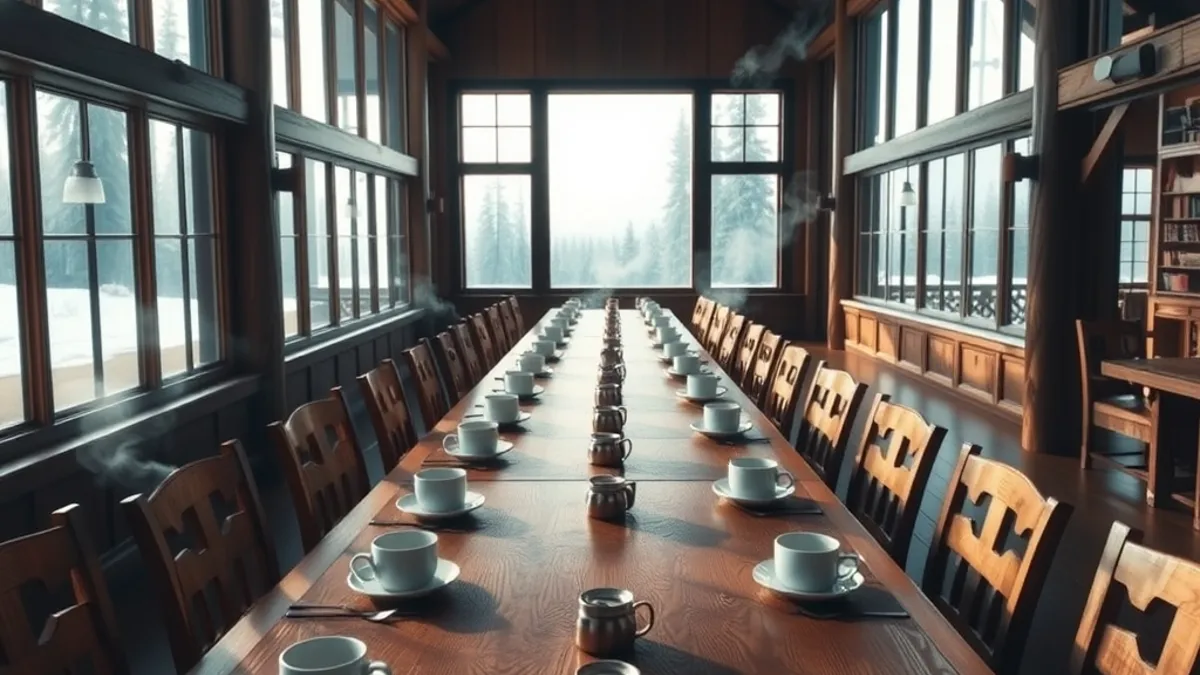
Shared Dining Tables: The Built-In Social Life of a Lodge
If the idea of eating alone night after night is what holds you back from traveling solo, lodge dining will change your mind. Communal tables typically seat 8-14 guests per evening, and dinner becomes the easiest way to meet fellow travelers without any effort at all. You sit down, someone passes the bread, and within ten minutes you’re comparing notes on the day’s sightings or swapping route tips for the rest of your trip.
The structure of lodge life helps too. Fixed meal times and shared rituals, like gathering for sundowner drinks before the evening game drive, create a natural daily rhythm. You’re never left wondering how to fill an evening or feeling stranded in your room. The day has built-in moments where everyone comes together, and as a solo guest you’re simply part of the group.
Choose your dining setup carefully
One practical tip: if meeting people matters to you, choose lodges with a single dining room over those offering private in-room dining. It’s tempting to book the option with a private table on your own veranda, but that setup can leave you isolated at exactly the meals where connections form. A shared dining room, by contrast, guarantees you company at every breakfast and dinner, and many solo travelers find the friendships made around one table carry through the whole stay, from shared drives to farewell drinks.
Group Activities That Welcome Solo Guests
One of the biggest worries solo travelers have about remote lodges is that excursions will be priced for two. In practice, most lodges run shared game drives and guided walks with around 4-8 guests per vehicle or group, and the guide cost is simply divided among everyone on board. As a solo guest, you pay the same per-person rate as couples or friends traveling together, which means you get a professional guide’s full attention for a fraction of what a private booking would cost.
The social side is just as valuable. Because groups are small and the guest list changes every few days, you will rarely spend two consecutive activities with exactly the same people. One morning you might share a game drive with a retired couple from Australia; that evening, a stargazing session pairs you with a family of four. This gentle rotation makes conversation easy, since there is always something fresh to talk about: the leopard you just tracked, the birds spotted on the walk, or the stories from the day’s boat safari.
Before you book, it pays to be specific. Some lodges run everything as shared excursions, while others reserve certain activities, such as private bush dinners or exclusive vehicle hire, for guests who pay extra. A few remote properties also set minimum numbers for less common outings, which can occasionally leave solo guests waiting. Ask these questions up front and you will avoid any awkward surprises on arrival:
- Confirm the shared-to-private split: ask the reservations team to list exactly which activities are included as shared excursions and which carry a private-guide surcharge, so you can budget accurately before you arrive.
- Check solo inclusion in writing: request written confirmation that solo guests join every scheduled excursion on equal terms, including early morning drives and walking safaris, rather than being bumped if the vehicle fills up.
- Ask about minimum numbers: for seasonal or weather-dependent outings such as boat safaris, find out how many guests are needed before the activity runs, and what the lodge offers instead if numbers fall short.
- Find out the group rotation policy: some lodges deliberately mix seating and activity partners daily for solo guests, which is worth knowing if meeting new people is a priority for your trip.
Lodges that sit near established safari regions, such as those you can read about in descriptive anchor text, tend to have well-practiced shared activity schedules, which is exactly what a solo traveler needs. A quick email exchange before booking will tell you whether a lodge treats solo guests as full participants or as an afterthought.
Choosing a Solo-Friendly Lodge: What to Check Before Booking
A lodge can look perfect on its website and still be a poor fit for someone traveling alone. The difference usually comes down to small details buried in rate sheets and activity schedules, so it makes sense to work through a short checklist before you commit your deposit. Ten minutes of research here can save you from a week of feeling like an add-on at someone else’s party. It also helps you compare properties objectively, because glossy photos and glowing descriptions tell you nothing about how a lodge actually treats guests who arrive without a companion.
- Search the rate terms for solo language. Scan the lodge’s booking conditions for phrases like “no single supplement” or a named solo rate. If nothing is published, email and ask directly. Once you have a favorable answer, get it confirmed in writing on your booking confirmation, not just in a casual reply, so there is no dispute at check-in.
- Favor lodges with roughly 6-12 rooms. Smaller properties naturally revolve around communal spaces: one lounge, one fire pit, one dining room. With a few dozen guests at most, you will be recognized by name by day two, and a person dining alone reads as normal rather than conspicuous.
- Verify that shared activities run daily. Some remote lodges only launch excursions once a minimum number of guests signs up. Ask whether game drives, walks and boat trips are scheduled every day regardless of occupancy, because a solo guest has no travel partner to fill a vehicle.
- Read reviews written by other solo travelers. Filter recent reviews for mentions of traveling alone, and pay attention to comments on safety, how warmly staff treated single guests, and whether reviewers describe being included in evening conversations and group plans.
Treat this as a filtering exercise rather than a hunt for the perfect property. If a lodge fails on two or more of these points, move on to the next option, because there are plenty of wilderness properties that actively court solo guests. The lodges that pass all four checks tend to be the same ones that returning guests recommend to their single friends, and that pattern is the most reliable endorsement you can find. Keep your notes from each inquiry in one place as you compare options, since details like confirmed solo rates and daily activity schedules are easy to lose track of once you are emailing several lodges at once.
Practical Safety and Comfort Tips for Staying Alone at a Lodge
Arriving alone at a remote lodge sounds daunting until you understand how these properties operate. Most wilderness lodges are fenced or gated, staffed around the clock, and strict about one rule above all: nobody walks between rooms after dark without an escort. That combination makes a lodge one of the safest places you can stay by yourself, often safer than a city hotel where anyone can wander through the lobby. The main risks are not people but practicalities: uneven paths, cold evenings and long distances between your tent and the dining room.
Communication is your best tool. Give your family a copy of your itinerary, including lodge names and dates, and spend two minutes each morning telling the front desk what you have planned. If a walk runs long or a drive returns late, staff already know where you were supposed to be. This takes almost no effort and gives everyone peace of mind.
Comfort comes down to packing smart. Lodge rooms are often spread across a large property, so you will be walking farther than you expect, and temperatures in open savanna or bush country can drop sharply once the sun sets, even after a hot day. A few items in a small day bag solve most of this:
- A headlamp with fresh batteries: paths between rooms are usually dim by design to avoid disturbing wildlife, and a headlamp keeps both hands free for railings and camera gear on the walk back from dinner.
- A charged power bank: outlets in remote rooms can be limited or shared, and your phone doubles as your camera, flashlight backup and only contact with family, so a dead battery is more than an inconvenience.
- Layers you can add or shed: a fleece and a light windproof jacket handle the swing from a warm afternoon drive to a chilly open vehicle after sunset far better than one heavy coat.
- Closed shoes with good grip: dirt paths, wooden walkways and the occasional startled antelope crossing your route all reward sturdy footwear over sandals.
Follow these habits from your first evening and the lodge will quickly feel less like a remote outpost and more like a well-run home base. The staff have hosted countless solo guests before you, so never hesitate to ask for an escort, an early wake-up call or advice on what the evening temperature will do.
Making the Most of Your Solo Lodge Stay
So, can a lodge really work for someone traveling alone? Absolutely — and often better than a conventional hotel. The trick is timing and choice: aim for shoulder season, book 3-6 months ahead, and pick a small property with shared tables and group activities. Do that, and the solo supplement that scares so many people away may simply disappear.
The value is real, too. Waived single supplements and solo discounts of 10-20% can make a wilderness lodge one of the best-value ways to travel alone. Between communal dining, shared excursions and attentive staff, solo guests rarely feel alone — unless they choose to be. If you’ve stayed solo at a lodge, share your experience in the comments, or pass this article along to a friend who travels alone.