You want the sea views and salty-air magic of a Cornish holiday without cottage prices or hotel formality, but glamping sites vary so much that choosing blind feels like a gamble. One booking gets you a wood-warmed safari tent on a clifftop meadow; another lands you in a chilly pod beside a busy road. That’s the gamble with coastal glamping in Cornwall, and it’s a fair complaint.
This guide takes the guesswork out of it. We’ll show you what these stays actually involve, which stretch of coast suits your kind of trip, when to book for the best value, what you should expect to pay, and how to spot the difference between a genuinely great site and a cleverly photographed one. There’s practical advice on travel, packing and walking the coast path too, plus a quick summary at the end. Read it through and you’ll be able to book with confidence.
What Coastal Glamping in Cornwall Actually Looks Like
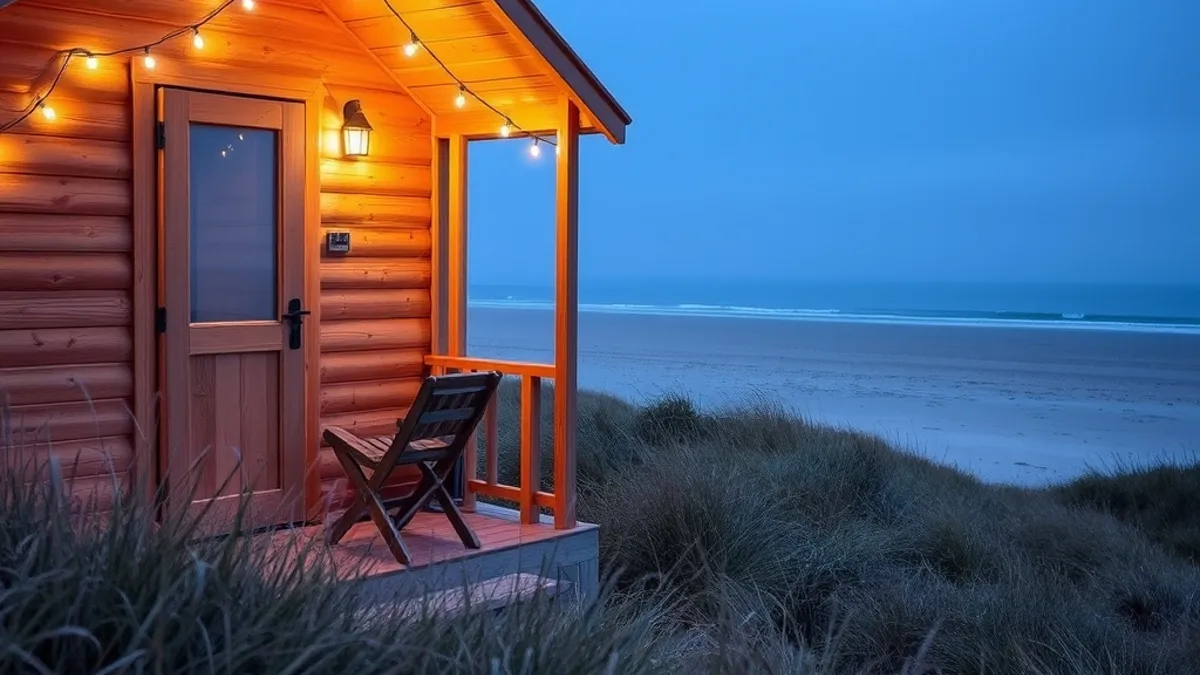
Picture a large canvas safari tent on a wooden deck, a yurt with a proper double bed, a timber shepherd’s hut, a curved glamping pod or a geodesic dome with a window looking out to sea. These units are typically pitched on working farmland or in clifftop fields, close enough to the coast that you can walk to a beach or a stretch of the coast path without getting in the car. That proximity to the water, more than anything else, is what sets coastal glamping apart from inland sites.
The comfort level is a world away from basic camping. Expect real beds with mattresses, a wood burner or some form of heating, a cooking setup ranging from a full kitchen to an outdoor stove, and lighting. Bathrooms come in two forms: many units have private facilities en suite, while simpler sites provide a shared amenities block a short stroll away.
Small meadows or full glamping parks
Atmosphere varies enormously between sites. Some consist of just two or three units hidden in a wildflower meadow, where your only company is birdsong and the odd cow in the next field. Others are larger, family-friendly parks with 20 or more pitches, play areas and communal facilities. Neither is better; it depends whether you want solitude or sociability.
Off-grid and eco-focused sites are also increasingly common, particularly on the Lizard and in west Cornwall. These lean on solar power, composting loos and rainwater systems, which suits the wild feel of those peninsulas, though it’s worth knowing before you book if you’re attached to your hairdryer.
Where to Stay for Coastal Glamping in Cornwall: Choosing Your Stretch of Coast
Choosing your stretch of coast matters more than choosing a specific site, because it shapes every day of your trip. Cornwall’s north coast is the energetic one: surf beaches, dramatic headlands and livelier villages. Think Padstow, Polzeath, St Agnes and St Ives, where mornings can start with a surf lesson and evenings end in a busy harbor restaurant. If your ideal holiday involves boards, boots and full days out, the north coast is your match.
The south coast is gentler. Around the Roseland Peninsula, Falmouth, the Helford and the Lizard Peninsula you’ll find calmer waters, wooded creeks and sheltered coves, which suit families with small children and anyone after a slow escape. It’s the same logic that draws travelers to quieter corners elsewhere in Europe, from Cornish creeks to the kind of slow, fragrant countryside you find in lavender-scented hideaways in the south of France.
One practical rule: aim to stay within 1 to 2 miles of a coast-path stretch. Then you can walk to a cove or beach without driving, which matters enormously when the lanes clog up in peak season.
- Harbour towns such as Padstow and Falmouth put you within strolling distance of seafood restaurants, bakeries and small galleries, ideal if you want food and culture on the doorstep.
- Remote peninsulas like the Lizard and parts of the Helford offer genuinely dark skies for stargazing and the kind of quiet where the loudest sound is the tide.
- Resort areas trade wildness for convenience, with surf schools, equipment hire, cafes and lifeguarded beaches all close at hand.
When to Book: Seasons, Weather and Lead Times
Timing your booking well can make the difference between a bargain and a splurge. July and August are peak season in Cornwall: the warmest sea, the busiest sites and the highest prices. Summer weekends and school holiday weeks at the most popular coastal sites often need booking 6 to 12 months ahead, so if you have your heart set on a specific clifftop safari tent for August, get in early.
The shoulder-season sweet spot
May, June and September are the sweet spot for most travelers. Rates drop, availability opens up, and the walking weather is often better than midsummer, when you can be squinting through sea haze or sheltering from a downpour. The beaches are quieter too, which changes the whole feel of a day out. If you can travel outside school holidays, these three months deliver the best value.
Be aware that most coastal sites close between late October and Easter. The handful that stay open year-round rely on wood burners and insulated structures, so a winter stay is possible but it’s a different, cosier kind of trip. If you’re drawn to that off-season, off-grid mood, Cornwall has plenty in common with an Irish Atlantic hideaway built for deep quiet and wild weather.
Finally, expect changeable Atlantic weather even in high summer. Build a flexible itinerary with indoor backups rather than assuming daily beach days, and you’ll never feel short-changed by a gray morning.
What to Expect on Site: Facilities and Nightly Prices
Glamping in Cornwall sits in a strange middle ground: it costs a lot more than camping, but it is still canvas and fields rather than a hotel. Knowing what your money buys before you book saves disappointment later. Rates vary enormously by season and unit type, so here is the honest picture.
Budget roughly £80 to £150 per night off-peak and £180 to £350+ in peak summer for a premium safari tent or geodesic dome sleeping four to six. A shepherd’s hut or simple pod for two usually sits at the lower end of those bands, while a large safari tent with an en-suite bathroom and a sea view sits at the top. Shoulder-season weekends in May, June and September can sometimes undercut the off-peak figure, especially for midweek stays.
Standard inclusions are a proper bed with linen made up before you arrive, a wood burner or electric heater, a kitchen area or outdoor cooking setup, and lighting, often solar or battery powered. Wood burners are the defining feature of most Cornish glamping units: they transform a chilly spring evening, but they need lighting and feeding, so ask whether the first basket of logs is included.
Bathrooms split into two tiers. Higher-end units come with en-suite composting or flush loos, sometimes with a shower in the same pod. Simpler sites rely on shared shower blocks a short walk away, which is fine on a dry evening and less pleasant in a downpour.
- Firepit hire: many sites charge separately for a firepit and logs, so if an evening fire is central to your trip, confirm the cost and whether open fires are permitted on your specific pitch.
- Breakfast hampers: some sites deliver local bread, eggs and bacon to your unit on request, but these usually need ordering a few days before arrival rather than on the day.
- Hot tubs: wood-fired hot tubs are increasingly common on clifftop sites, but they are often bookable per unit per stay and fill up fast in peak summer.
- Dog-friendly units: only a subset of pitches accept dogs, and some sites restrict them to specific units or charge a cleaning fee, so check before assuming your pet is welcome.
- Towels and bedding: bedding is nearly always included, but towels and extra bedding for sofa beds are frequently charged as add-ons, so read the booking extras carefully.
How to Spot the Best Sites: A Pre-Booking Checklist
Two Cornish glamping sites can look identical in photos while offering completely different stays. One is a clifftop field with three tents and roaring winds; the other is a sheltered valley pitch with a kids’ play area and a busy farm lane. The listing rarely tells you which one you are booking, so work through this checklist before paying a deposit.
The biggest trap is the phrase “coastal views”. A distant glimpse of the sea from a field two miles inland is not the same as stepping out of your tent onto the coast path. Ask the site to confirm the actual distance to the coast path or nearest beach in walking minutes, not just views in the listing. A ten-minute walk to a cove changes your whole trip, because you can leave the car parked for days.
Next, think about shelter. Clifftop sites deliver drama and views but get full wind exposure, which rattles canvas and makes outdoor cooking tricky. Valley and field-edge sites trade views for calm evenings, and in a changeable Atlantic season that trade is often worth making.
- Count the units: fewer than six usually means quiet nights and dark skies, while larger sites mean kids’ play areas, more footfall and noticeably more evening noise.
- Read recent reviews: look for the specifics that photos hide, such as road noise from the A-road behind the field, mud after rain, mobile signal gaps and how well the wood burner actually heats the unit overnight.
- Check the parking situation: some sites ask you to leave the car in a farmyard and walk luggage across a field, which matters if you are hauling a cooler and a toddler.
- Ask about arrival logistics: clifftop and off-grid sites often have narrow lanes and limited late check-in, so confirm access if you are arriving after dark.
Planning Your Days: Travel, Packing and the Coast Path
Getting to a coastal glamping site takes a little planning, because many sit down narrow lanes that neither motorways nor satnavs handle gracefully. Cornwall’s country roads are frequently single-track, with high hedgerows, blind bends and passing places, so the last few miles often take longer than the first hundred. Add in summer traffic funneling toward the coast, and a sensible sequence for turning a booking into a smooth stay becomes genuinely useful rather than optional. Work through the steps below before you set off, and the journey becomes part of the trip instead of a test of patience.
- Choose your route down: allow about 5 hours by car from London, or take the direct train from Paddington to Truro or Penzance in roughly 4.5 to 5 hours. The train is the calmer option in peak traffic, and both stations connect to taxi and local bus services for the final leg to your site.
- Check the last-mile access: many glamping sites sit a mile or more down single-track lanes, so ask whether the final stretch is drivable, where you park, and whether luggage needs walking across a field.
- Pack for four seasons in one day: bring layers plus proper waterproofs and walking shoes. Even August evenings on the coast can be cool and breezy, and canvas units lose heat quickly once the fire dies.
- Plan at least one coast path day: build a day around the South West Coast Path, which offers about 300 miles of Cornish walking, from short cove-to-cove rambles to full-day headland hikes. Pick a stretch near your site so you can walk out from your tent.
- Time your swims: plan swimming for June to September when sea temperatures reach their 17 to 18°C peak, and check lifeguard coverage on the bigger beaches before heading out, since flagged beaches are the safest bet.
- Leave room for weather: keep one flexible day in the itinerary for swapping a beach plan for a harbor town or sheltered creek when the Atlantic turns blustery.
One final note on the coast path: the stretches near the big resort beaches are the busiest, while the sections around the remoter peninsulas can feel almost empty even in summer. That contrast is part of Cornwall’s charm, and it rewards a bit of thought. If you booked a quiet site on a far-flung peninsula, you can usually step straight onto an empty stretch of path within minutes of leaving your tent. If you are based near a popular resort town, walk early in the morning or later in the evening to enjoy the same views with a fraction of the foot traffic. Match your walking day to the vibe you chose when booking, and you will get the most out of Cornwall’s finest asset.
Your Cornwall Coastal Glamping Trip at a Glance
Coastal glamping in Cornwall gives you the sea views and salty air without cottage prices or hotel formality: a real bed, heating and a kitchen, pitched within walking reach of the coast. Choose the north coast for surf and drama, or the south for calm creeks and family coves.
Book summer weekends six to twelve months ahead, or aim for May, June and September for better value and quieter sites. Expect roughly £80 to £150 off-peak and £180 to £350+ in peak summer, and shape your days around the coast path, beaches and changeable weather. If this helped you plan your trip, leave a comment or share the article.