Glamping in Scotland’s Highlands sounds like a dream: waking up in a dome or cabin with a loch outside your window and a wood-fired hot tub steaming on the deck. But planning one raises questions fast. Should you base yourself near Loch Ness, on Skye, or in the Cairngorms? And which months actually deliver good weather, fewer crowds and fair prices?
This guide breaks the decision down into the choices that matter. We compare the best regions for glamping in the Highlands, from easy-access first-timer spots to the dramatic west coast, and match each season to what you can realistically expect. We also tackle the midges, show you how to spot a genuinely good site before you pay, and cover typical costs and booking windows. By the end, you should know exactly where to go, when to go, and what to check before booking.
Why Glamping in Scotland’s Highlands Beats a Standard Hotel Stay
The biggest difference between a Highland glamping trip and a standard hotel stay comes down to what is outside your door. Many glamping sites sit directly beside lochs, glens and waymarked walking trails, so you can step off your deck and be on a path within minutes. There is no drive to a trailhead, no parking fee and no fixed checkout standing between you and the hills. If you like an early morning walk before breakfast, or a sunset stroll after dinner, this setup is hard to beat.
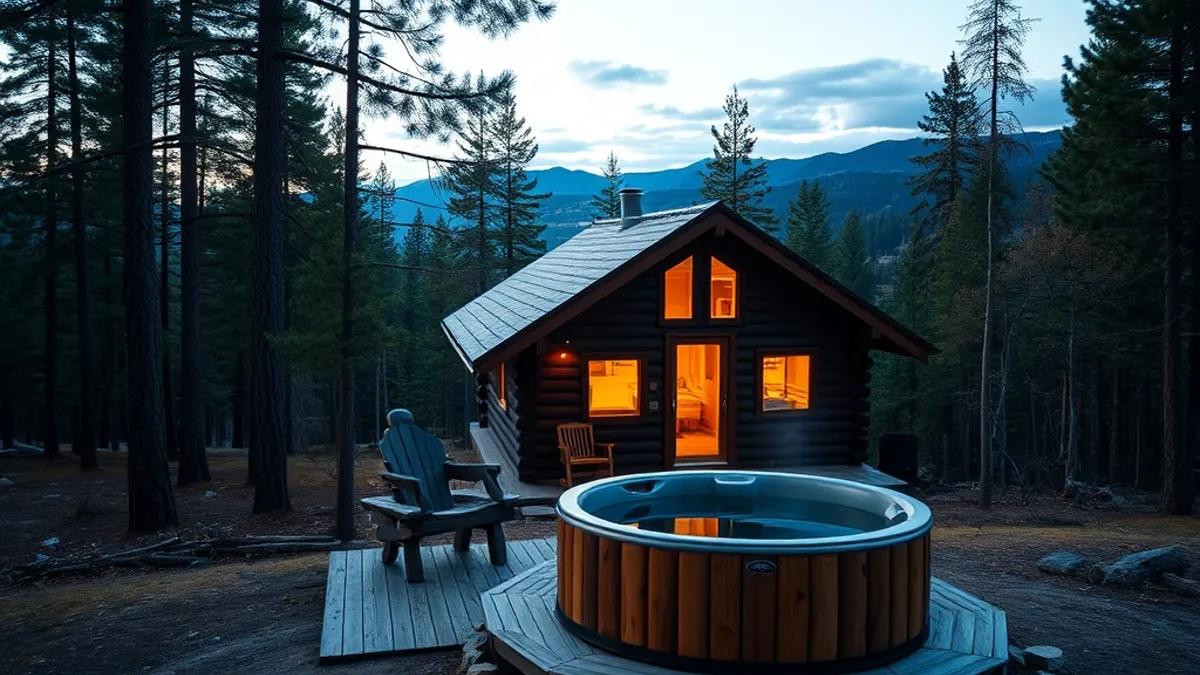
The second difference is how the sites handle Scottish weather. Instead of something to endure, the weather becomes part of the experience. A wood-fired hot tub on a cool evening, a log stove crackling while rain hits the roof, or floor-to-ceiling panoramic windows framing a cloud drifting over a glen — these are the moments people remember. A standard hotel room rarely gives you that connection to the landscape.
Comfort levels vary more than you might expect
One thing to understand early: “glamping” covers a wide range of setups. Stay types span geodesic domes, insulated camping pods, timber cabins and safari tents, and the comfort gap between them is significant. A safari tent might have real beds and a stove but share a washblock a short walk away, while a top-end cabin can feel like a small lodge with full plumbing and a private hot tub.
Before booking, work out which end of that spectrum suits you. Couples after a romantic escape often prioritize hot tubs and views, while families may value proper cooking facilities and heating. Checking exactly what your chosen stay type includes will save you surprises on arrival — and the next sections of this guide show you how.
Best Regions for Glamping in the Highlands
The Highlands are big, and where you base yourself shapes the whole trip. Some regions suit first-timers who want easy road access and familiar services nearby. Others reward travelers willing to drive further for wilder coastlines and darker skies. Here is how the main glamping regions compare, followed by a quick reference list.
Loch Ness and Inverness-shire are the natural starting point for first-timers. Inverness is a practical hub, roughly 2.5 hours by car from Edinburgh or Glasgow, and the lochside villages sit within easy reach of shops, pubs and fuel. Roads are good, signage is clear, and if the weather turns you always have an indoor fallback nearby.
The Isle of Skye and the wider west coast deliver the most dramatic seascapes in the country — sea cliffs, Cuillin mountains and white-sand bays. The trade-off is popularity: these sites book out fastest, often months ahead in summer, and the drive from the central belt is a long one. Plan a full day for the journey and reserve early.
Cairngorms National Park works best if you want forest rather than coast. It offers dense pine woodland, some of the darkest skies in Britain and access to towns like Aviemore, which keeps amenities close. Perthshire and Loch Lomond, meanwhile, offer the shortest drives from Glasgow and Edinburgh, making them ideal for a first overnight taste of Highland glamping without a marathon journey.
- Loch Ness and Inverness-shire: good for combining glamping with classic sightseeing — castle ruins, the loch itself and dolphin-watching spots on the Moray coast are all within a short drive.
- Isle of Skye and the west coast: expect single-track roads in places, so build extra time into any driving day and check whether your site provides parking suitable for larger vehicles.
- Cairngorms National Park: the dark skies make it one of the better regions for stargazing from your deck, and forest trails often start right at the site boundary.
- Perthshire and Loch Lomond: many sites here sit within an hour or so of the central belt, which makes them workable even for a one-night midweek break.
Choosing the Right Season for Your Trip
Timing shapes a Highland glamping trip more than almost any other decision. The same dome that feels magical in June can feel very different in a February storm — and the price tag changes with it. Here is what each window of the year actually delivers.
Summer: long days at peak prices
June to August is peak season. You get the warmest, driest weather of the year and very long daylight — in the far north, it barely gets properly dark, which is wonderful for evening walks but less useful for stargazing. The downsides are the highest prices of the year, the thinnest availability and the biggest crowds at popular spots. If summer is your only option, book well ahead and expect to pay top rates.
Shoulder seasons: the sweet spot
May and September are, for many travelers, the best months to go. The weather stays mild, rates drop below peak levels, and the crowds thin out noticeably. September has an extra bonus: nights are drawing in again, so you get darker skies for stargazing without the depths of winter. You also dodge the worst of the midge peak, though not entirely — more on that in the next section.
October to March suits a different kind of trip entirely. This is stove-side territory: short days, stormy spells and long cozy evenings with a log burner and a good book. On clear, dark nights, the Northern Lights are a real possibility in the Highlands from late September to March, though sightings are never guaranteed and depend heavily on solar activity and cloud cover. If you go in this window, choose a well-insulated stay with reliable heating, and keep an eye on weather forecasts — storms can disrupt travel plans, especially on the west coast.
Beating the Midges and Other Weather Realities
Let’s talk about the midge, because it’s the single most common complaint in Highland trip reviews. These tiny biting insects peak from late May to early September, and they’re at their worst on still, humid evenings close to water. A calm dusk beside a loch can feel unbearable, while the same spot on a breezy afternoon is often fine.
The good news is that midges are a solvable problem. They don’t bite through clothing easily, they hate wind, and they disappear once the temperature drops. If you’re visiting in summer, plan your outdoor time around the weather rather than fighting it, and treat midge defense as part of your packing list rather than an afterthought.
Location matters more than most travelers expect. Coastal and breezier west-coast sites often feel less midge-heavy than sheltered lochside spots, simply because the constant sea breeze keeps the insects grounded. A pod perched on an exposed headland will usually beat a tent tucked into a wooded glen by a river.
- Head net: a lightweight mesh net that fits over any hat costs little, packs down to nothing and turns a miserable evening into a tolerable one.
- Screened or enclosed outdoor space: in summer, prioritize stays with a covered deck, enclosed veranda or meshed seating area so you can enjoy the view without becoming dinner.
- Smidge or repellent: insect repellent made for Scottish midges is sold in every village shop and works well when applied before you start sweating.
- Fire and stove time: midges avoid smoke, so sites with a fire pit or a wood stove give you a natural refuge at dusk.
- Storm backup: Atlantic fronts can roll in at any time of year, so check that your unit has solid heating and a covered walkway to the bathroom block if it has shared facilities.
How to Spot a Genuinely Good Glamping Site
Glamping photos all look the same: a curved dome, fairy lights, a view of something green. What separates a genuinely good site from a disappointing one is everything the photos don’t show. Before you pay a deposit, treat the listing like a rental agreement and read it line by line.
Start with the basics. Some sites advertise a “fully equipped” dome that turns out to have a two-ring camping stove and thin sleeping bags, while others include proper heating, real beds made up with linen and a full kitchen setup. Check whether heating, bedding and cooking facilities are included rather than assumed, and email the host if the listing is vague. Their answer will also tell you a lot about how responsive they’ll be if something goes wrong.
Reviews are your best tool, but read them with intent. Skim past the five-word raves and hunt for comments that mention specifics: whether the unit held its heat on a cold night, whether you can hear your neighbors, whether the hot water ran out halfway through a shower. Those three details, insulation, privacy and hot water reliability, are what actually decide whether you enjoy your stay.
- Distance to services: many Highland sites sit 30 minutes or more from the nearest shop or pub, so confirm where you’ll buy firewood, milk and dinner before you arrive.
- Shared versus private facilities: some safari tents and pods rely on a separate bathroom block, which matters a lot on a rainy January night at 2 a.m.
- Road access: single-track roads and rough farm tracks are common, so ask whether the final approach suits your car and whether parking sits next to the unit.
- Realistic capacity: a dome that sleeps four often does so on a double bed plus a folding sofa, so check actual bed configurations if you’re traveling with kids or friends.
- Cancellation terms: Highland weather can disrupt plans, so read the refund policy and consider whether the site offers flexible rebooking.
Booking Windows and What Glamping Really Costs
Glamping in the Highlands isn’t cheap, but it’s also not mysterious. Typical rates range from about £90 to £300 per night depending on the season and the setup, with domes and hot-tub cabins sitting at the top of that range. A basic shepherd’s hut in the Cairngorms and a glass-fronted lodge overlooking a sea loch may be listed on the same booking site, so always compare what’s actually included before judging the price.
Timing drives everything. For peak-season stays from June to August, reserve 3 to 6 months ahead, and even earlier if you have your heart set on the Isle of Skye or the west coast, where the most dramatic sites book out first. Shoulder-season trips in May or September are far more forgiving and usually need only 4 to 8 weeks of lead time, though popular hot-tub units can still go early.
Flexibility is your best money-saver. Midweek dates often undercut weekend rates by 20 to 30 percent, and sites that charge a two-night minimum on weekends frequently relax it from Monday to Thursday.
- Watch the cleaning fee: some listings add a separate cleaning or linen charge, which can push a £120 night noticeably higher for a one-night stay.
- Off-peak value: the same dome that commands top rates in August can drop toward the lower end of the range in November, when a wood stove and a storm outside become the whole appeal.
- Direct booking: once you know which site you want, check the operator’s own website, since third-party platforms often add a service fee the host doesn’t see.
- Deposit timing: many small operators take a deposit at booking with the balance due closer to arrival, which helps spread the cost of a peak-season trip.
- Last-minute gaps: cancellations happen, so if you’re flexible, searching 1 to 2 weeks out in shoulder season can surface discounted dates at otherwise fully booked sites.
Planning Your Highland Glamping Trip
A Highland glamping trip really comes down to two simple decisions. First, match the region to your priorities: if you want the easiest arrival, base yourself near Loch Ness and Inverness; if drama is what you are after, head for Skye and the west coast; if forest quiet and dark skies appeal, the Cairngorms will suit you best. Second, pick your timing with intention, because the Highlands feel like two different destinations depending on when you visit.
For most travelers, May or September hits the sweet spot: mild days, thinner crowds and fewer midge-heavy evenings. Summer can be wonderful, but it demands planning well ahead. On budget, expect nightly rates that vary widely with the season and setup, with top-end domes and hot-tub cabins sitting at the higher end of the scale. Before paying, always confirm that heating, bedding and cooking facilities are genuinely included rather than just advertised. If this guide helped you plan your trip, leave a comment or share it with a fellow traveler.